
The Quietest House on the Street
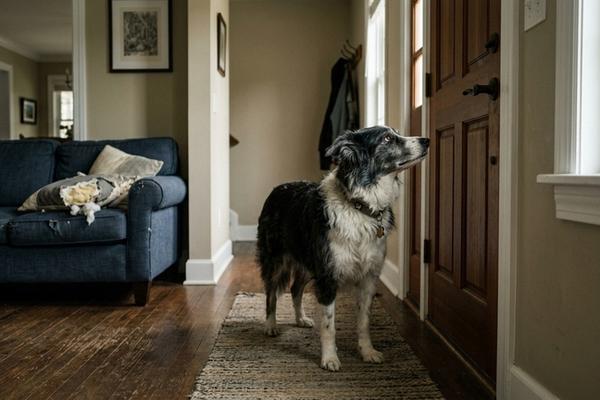
The week after her youngest daughter left for college in Columbus, Ohio, Diane Mercer walked through her Portland home and counted the rooms that suddenly felt wrong. The kitchen. The hallway. The den where her kids used to pile onto the couch on Friday nights. Her husband traveled for work three days a week. The dog they'd had for thirteen years had died the previous spring.
"I'd come home and the silence was almost physical," she said. "Not bad, exactly. Just very, very present."
Three weeks later, Mercer drove to a rescue organization outside the city and came home with a two-year-old Boxer mix named Frank. She didn't overthink it. "It just felt obvious," she said.
What felt obvious to Mercer is, it turns out, feeling obvious to an entire generation simultaneously.
Read Also: 73% of Dogs Have Dental Problems. Pet Dental Market Hits $10.91 Billion in 2026
The Number Nobody Saw Coming
According to the American Pet Products Association's 2026 State of the Industry Report, released in March 2026, Gen X dog ownership increased 12 percent year over year — the largest single-year generational jump in the report's history. To put that in context: dog ownership overall expanded from 51 percent of U.S. households in 2024 to 53 percent in 2025, representing roughly 4 million additional dog-owning homes nationwide. Gen X is driving a significant share of that growth, and researchers say the explanation is hiding in plain sight.
"There's no more children in the household," said Ingrid Chu, APPA's Vice President of Research Insights, during her presentation at Global Pet Expo 2026.
"There's a lot more Gen Xers who have an empty home. And if you are a pet owner and you've lost a pet, and you don't replace the pet, that house is very quiet."
The quiet, it turns out, is motivating. And Gen X — the generation born between the mid-1960s and early 1980s, now ranging in age from roughly 44 to 59 — is filling it with fur.
Why Gen X, Why Now
The timing makes demographic sense. As Gen X enters the empty nest phase, pets are filling a new role — one that blends companionship with flexibility. Unlike millennials, who often got dogs in their twenties before children arrived, many Gen X parents spent peak pet ownership years navigating kids, careers, and the specific chaos of raising a family through two recessions and a pandemic. The dog they always wanted kept getting postponed.
Now the postponement is over. The kids are in dorms and apartments. The schedule has opened up. And Gen X — a generation that grew up with dogs before the era of breed-specific Instagram aesthetics and raw food subscription services — is returning to something it already understood.
"It's grown by almost 20 percent in the last six or seven years," Chu noted of Gen X pet ownership overall. "That increase is not as dramatic this year, but it keeps going up."
The 12 percent single-year figure is striking on its own. But Chu's longer view makes it even more significant. This isn't a one-cycle anomaly. It's a structural shift that has been building quietly for years and is now arriving at full scale.
Curious about a specific dog? Explore our Breeds guide to learn what makes each one special.
What This Generation Wants From a Dog
Gen X approaches dog ownership differently than younger generations do — and the differences matter. Baby boomers and Gen Xers were most likely to recognize the social and emotional benefits of owning a pet, particularly as they mostly own cats and dogs, with multiple decades of research confirming that pet ownership can lower blood pressure, boost immunity, improve heart health, and improve symptoms of anxiety and depression. For Gen X, the dog isn't a content opportunity or a lifestyle signal. It's a relationship.
Gen X pet owners spend an average of $1,100 annually on their dogs, placing them third behind Gen Z and millennials in total expenditure — but with a critical difference. Unlike younger owners, who are more likely to feel economic pressure and report cutting back on pet spending, Gen X households tend to have more established finances, paid-down mortgages, and fewer competing demands on the household budget. The spending is steadier, less reactive to inflation, and concentrated on health and quality rather than novelty.
Only 34 percent of Gen X pet owners buy direct-to-consumer pet products, compared to 69 percent of Gen Z and 58 percent of millennials, suggesting this cohort shops differently — more likely to rely on veterinary recommendations, local pet stores, and established brands than on TikTok trends or subscription boxes.

Ready to give a dog a home? Browse adoptable pups at Shelters near you.
The Broader Ripple Effect
The Gen X surge isn't happening in isolation. Alongside the 12 percent jump in Gen X dog ownership, the same APPA data shows Gen X cat ownership rose 8 percent, bird ownership jumped 25 percent, reptile ownership climbed 20 percent, and freshwater fish were up 17 percent year over year. This is a generation filling empty houses across every species category, not just dogs. But dogs are leading.
"Understanding these generational dynamics is essential for identifying new opportunities across products, services, and categories," said Chu.
"The data highlights a broadening base of pet ownership growth, from younger consumers entering the market to Gen X households expanding into multiple species."
For veterinary practices, grooming salons, and pet retailers, this matters in practical terms. Gen X owners tend to seek out preventive care, schedule routine wellness visits, and invest in quality food rather than chasing discounts — behaviors that stabilize revenue in ways that younger, more price-sensitive owners don't always provide.
Want more tips and stories like this? Dig into our Blog for the latest on all things dogs.
The Dog That Changed the Silence
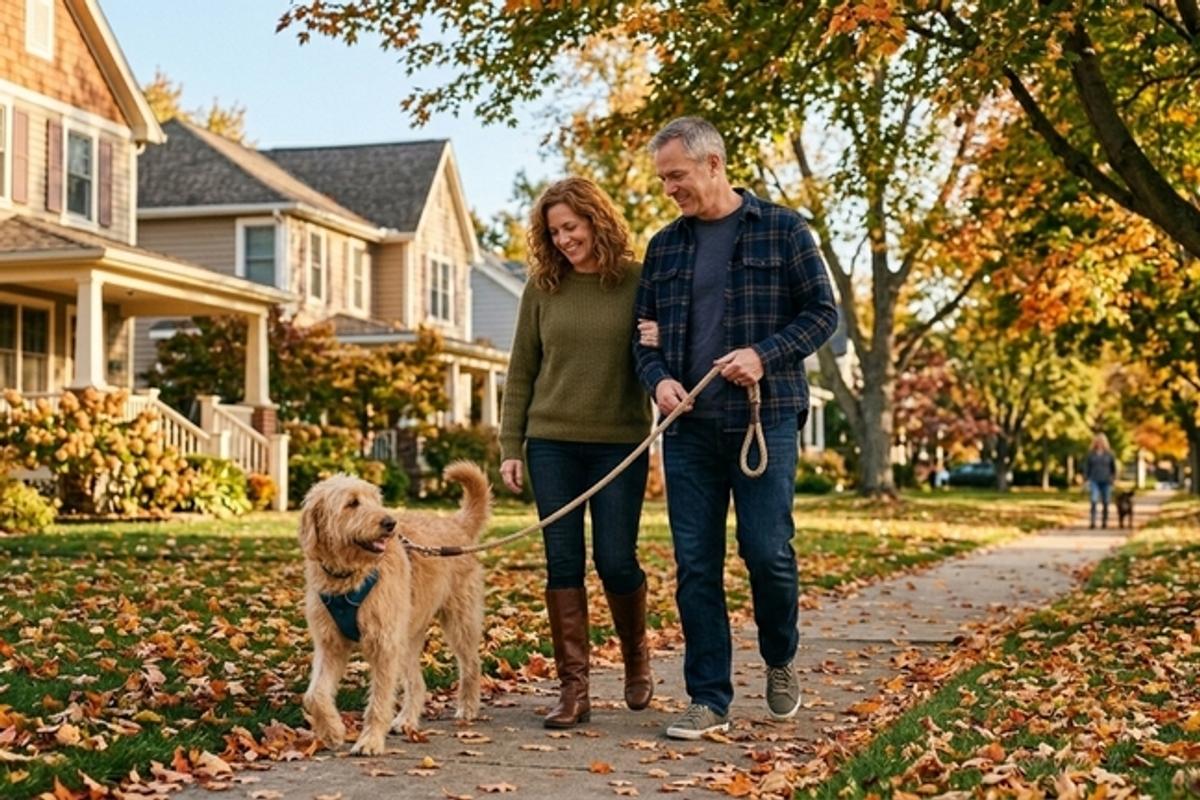
Back in Portland, Diane Mercer's Boxer mix Frank has been in the house for eight months now. He takes her on two walks a day. He sleeps at the foot of the bed. When her husband is traveling, he's the reason she doesn't eat dinner alone.
"My daughter asked me if I got him to replace her," Mercer said, laughing. "I told her I got him because the house needed a heartbeat."
Across the country, in living rooms from Phoenix to Minneapolis to Charlotte, Gen X is arriving at the same conclusion — quietly, practically, without much fuss about it. That's perhaps the most Gen X thing of all: not announcing the shift, just making it.