The Vet Visit Nobody Expects
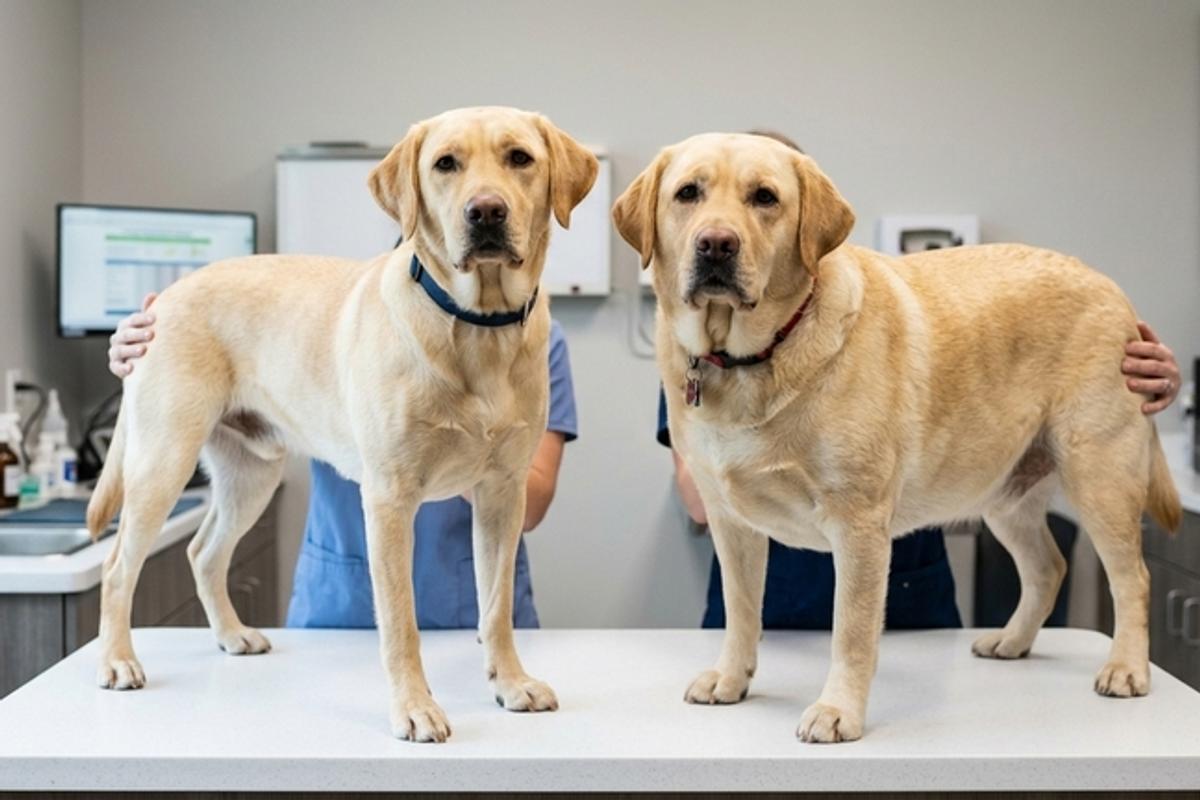
Jennifer Calloway drove her three-year-old Golden Retriever, Biscuit, to the veterinary clinic in Nashville, Tennessee, for a routine checkup last spring. She wasn't worried. Biscuit was playful, enthusiastic about walks, and ate well. The vet pressed her hands along the dog's ribs, paused, and said the words Calloway never saw coming: Biscuit was overweight. Not a little. Clinically overweight, by almost six pounds.
"I remember just staring at her," Calloway said. "I thought she looked totally normal. She's a Golden — they're supposed to be fluffy."
That moment of stunned disbelief is playing out in vet offices across the country every single day. And the research says the gap between what owners see and what the scale reveals has never been wider.
The Numbers Are Uncomfortable
According to the Association for Pet Obesity Prevention (APOP), 59 percent of American dogs are clinically overweight or have obesity. Yet based on APOP's 2025 Opinion Survey, only 37 percent of dog owners categorized their own dog as overweight or obese. That's a gap of more than 20 percentage points — a quiet epidemic hiding in plain sight behind full food bowls and enthusiastic tail wags.
The perception problem runs even deeper than that single number suggests. According to a Pet Obesity Prevention survey, 32 percent of owners with overweight or obese pets classified their pets as completely normal. And in the most striking data point of all, a full 9 percent of owners whose dogs were clinically obese believed their pet was in ideal body condition.
This isn't carelessness. It's a failure of reference point. When every dog at the dog park looks roughly the same — when "fluffy" and "stocky" have become the visual norm — it becomes nearly impossible to identify what lean actually looks like.
300+ breeds. Find Your Match
What the Science Says About Lifespan
The stakes of this misperception are not cosmetic. A large lifetime study of Labrador Retrievers found that being even moderately overweight can reduce a dog's life expectancy by up to 2.5 years compared to leaner dogs. Two and a half years. For a breed with an average lifespan of twelve years, that's roughly twenty percent of a dog's life — cut short not by disease or accident, but by too many treats and not enough honest conversations at the vet.
Overweight dogs face significantly elevated risks of skin disease, diabetes, arthritis, and kidney disease. The weight doesn't just sit on their frame. It works its way into every system.
Ready to give a dog a home? Browse adoptable pups at Shelters near you.
Why Your Dog's Breed May Be Working Against You
A landmark study published in May 2025 by Texas A&M University and the Dog Aging Project analyzed data from more than 50,000 enrolled dogs. The findings reframed the entire conversation. Sporting group breeds — such as retrievers, spaniels, and setters — are about 10 percent more likely to be more motivated by food than other dogs. For Labrador and Golden Retriever owners, who together account for two of the most popular breeds in the United States, this isn't a character flaw to be charmed by. It's a biological risk factor that requires a deliberate management strategy.
The study also found higher food motivation in dogs living in urban settings and those from multi-dog households, possibly due to reduced exercise and convenience feeding practices like free-feeding. City dogs and dogs with canine siblings face compounding pressures that suburban single-dog households don't. The food bowl in a two-dog Austin apartment tells a very different story than the one in a backyard in rural Vermont.
Dr. Kate Creevy, the Dog Aging Project's chief veterinary officer and a professor at Texas A&M's College of Veterinary Medicine, put it plainly:
"It is imperative that veterinarians develop a better understanding of canine obesity and whether it may be linked to social, environmental, or demographic factors so that we can give every dog the best possible quality of life."
The Weight-Loss Problem Nobody Talks About
Even when owners recognize the problem and take action, the outcomes are discouraging. In a March 2026 survey from APOP, only 1 in 4 dog owners reported that their pet reached and maintained a healthy body condition after attempting weight loss. Most weight-loss plans, researchers say, fail because they treat the problem as a willpower issue — both the dog's and the owner's — rather than a biological one.
"Pet obesity is a disease, not a discipline issue," said Dr. Ernie Ward, APOP founder.
"The barriers are biological, psychological, and systemic, and most weight-loss plans don't come close to addressing all three."
One part of the system failing owners is hiding in plain sight on every bag of kibble. Dr. Ward notes that spaying or neutering a dog may reduce its energy requirement by 20 to 30 percent, meaning owners who follow standard feeding guidelines on the bag are often significantly overfeeding their already-altered pet.
Read Also: Dog Bite Claims Hit $1.86 Billion in 2025. 25% Increase in One Year
The Conversation Vets Are Afraid to Have
There's a revealing dynamic sitting at the center of this crisis. Ninety-five percent of veterinary professionals recognize obesity as a disease — yet 87 percent report at least one instance where concern about a client's reaction influenced how they approached a weight conversation. One uncomfortable visit, one client who seemed hurt or defensive, shapes how a vet team handles the next dozen conversations.
Most pet owners surveyed by APOP reported being receptive to these discussions. The discomfort, it turns out, is largely on the clinical side. Owners are waiting for someone to tell them the truth.
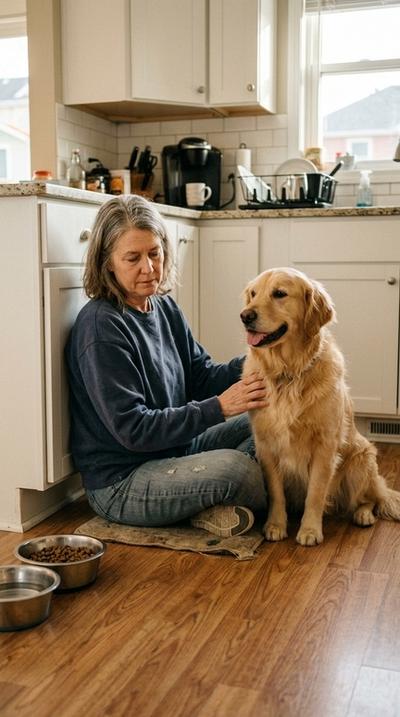
Jennifer Calloway is proof of that. After her Nashville vet sat with her for twenty minutes explaining body condition scoring and restructuring Biscuit's meal portions, Calloway went home and measured. She had been overfeeding by nearly a cup a day. Within four months, Biscuit was back to a healthy weight.
"She's faster now," Calloway said. "She jumps up on the couch easier. I didn't even know she'd been struggling."
Most dogs don't complain. They eat what they're given, follow you everywhere, and greet you like you've been gone for years. They won't tell you they're uncomfortable. That part is up to you.