

The Bite Nobody Expected
When Marcus Johnson's friendly Golden Retriever suddenly snapped at his eight-year-old nephew during a family dinner in May 2025, Marcus was stunned.
"He'd never shown aggression," Marcus said. "We trained him as a puppy, he passed obedience classes, everyone called him friendly. Then one awkward interaction with a kid who startled him, and he bit."
The incident required plastic surgery. The family sued. Marcus's homeowners insurance covered most costs, but the relationship damage was irreversible. More importantly, he discovered something that haunted him: seventy-seven percent of reported dog bites happen at home with the owner's own dog.
The Training Paradox
Training reduces dog bites by eighty-five percent, according to CDC 2021 data. Yet most bites still occur in homes where owners believe their dogs are well-trained and safe. The paradox reveals a critical gap: training prevents many bites but cannot eliminate the risk entirely, especially in unpredictable situations.
Research shows that owner behavior, training, and socialization matter far more than breed. A poorly trained Labrador poses greater risk than a well-trained Pit Bull. Yet breed-specific legislation persists despite little evidence that it reduces bite incidents.
Dr. Sarah Chen, a veterinary behaviorist in Seattle, sees the contradiction constantly.
"Owners tell me their dog is friendly and would never bite," Dr. Chen said. "But aggression is normal canine behavior. The question isn't whether a dog can bite—it's what circumstances trigger that response. Good training raises the threshold for aggression but doesn't eliminate it."
The Real Risk Factors
Dogs with bite history repeat incidents in twenty-five percent of cases. Dogs over twenty kilograms cause eighty percent of hospitalizations from bites. Early socialization—exposure to people, sounds, and environments by three months—reduces aggression risk by eighty-five percent in puppies.
Dogs trained before sixteen weeks show thirty-five percent fewer behavior problems as adults. Yet most owners don't start formal training until later, missing the critical socialization window.
Jennifer Park's rescue dog had no known history of aggression.
"She was friendly at the shelter," Jennifer said. "But at home, she snapped at visitors approaching her food bowl. The trainer explained that resource guarding is normal canine behavior. We needed to train her past it, not assume it wouldn't happen."
Prevention Requires Honesty
The CDC reports four point five million dog bites annually in the United States. An average of eighty-four people die annually from fatal dog attacks—more than double the previous average. Most victims are children under nine, who face seventeen point six hospitalizations per 100,000 from dog bites.
300+ breeds. Find Your Match
Training reduces destructive behavior by sixty-eight percent. Obedience training correlates with a forty percent longer lifespan in dogs. Yet these benefits assume consistent reinforcement throughout the dog's life. Dogs in the critical adolescent phase (six to eighteen months) require recall refreshers, with sixty-two percent regressing without ongoing training.
"Prevention starts with understanding that no dog is bite-proof," said Dr. Robert Liu, a veterinary behaviorist in Austin. "We can dramatically reduce risk through training, socialization, and management. But owners must remain vigilant. The dog that never bit before is still capable of biting under the right circumstances."
What Changes Bite Risk
Owner behavior predicts bite risk better than breed. Roughhousing, aggressive play, and failing to supervise children with dogs increase bite likelihood. Neutering dogs reduces aggressive behavior. Proper containment—fenced yards, secure gates—prevents many incidents.
The single strongest predictor: how the owner responds when the dog shows warning signs. Dogs don't bite without escalation. They growl, bare teeth, stiffen, turn away. Owners who ignore or punish these signals teach dogs to skip warnings and go straight to bites.
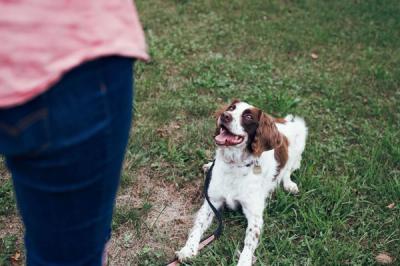
David Thompson's untrained rescue dog growled at guests.
"I punished her for growling," David said. "The trainer explained that growling is communication—it's the dog saying 'back off.' When I punished her for that, I removed her ability to warn. The next time she felt threatened, she bit without any signal first. I'd actually made things worse."
1,000+ shelters. 34,000 dogs. Find Your Match
The Gap Between Ideal and Real
CDC data and research paint a clear picture: training works. But the gap between what owners do and what prevents bites is enormous. Most owners don't start training until after behavioral problems develop. Most don't continue training through adolescence and adulthood. Most don't recognize warning signs or understand what triggers their own dog.
Read Also: Raw Dog Food Market Hit $4.38 Billion. Freeze-Dried Format Dominates Growth
Postal workers receive training on preventing dog attacks. Yet 5,300 were still attacked in 2022, down from 6,000 in 2020—showing that even professional prevention can't eliminate risk entirely.
The reality is uncomfortable: you cannot eliminate bite risk. You can only reduce it through training, socialization, management, and honest assessment of your dog's triggers and limitations. And even then, the dog that has never bitten before can still bite under the right circumstances—which is precisely why seventy-seven percent of bites happen at home with the owner's own dog.