
The Frozen Aisle That Changed Everything
When Emily Rodriguez from Austin switched her Labrador Max to a raw diet in January 2024, she expected pushback from her veterinarian. Instead, Dr. Sarah Chen nodded and pulled up a chart. "I've seen a thirty percent increase in clients asking about raw food in the past year," Dr. Chen said. "The research on freeze-dried raw is getting harder to ignore." Emily bought her first bag that week. Max's chronic ear infections cleared within two months. His coat went from dull to glossy.
"I thought raw food was fringe," Emily said. "Turns out half the dog owners I know are doing it."
Emily's switch reflects a massive market transformation. The pet raw food market reached four point one billion dollars in 2025 and climbed to four point five five billion in 2026, an eleven point two percent jump in a single year. Projections show the market hitting six point eight seven billion by 2030. An alternate forecast from Business Research Insights puts the 2026 market at four point three eight billion dollars and projects growth to twelve point three one billion by 2035, a twelve point one seven percent compound annual growth rate.
300+ breeds. Find Your Match
The Freeze-Dried Revolution
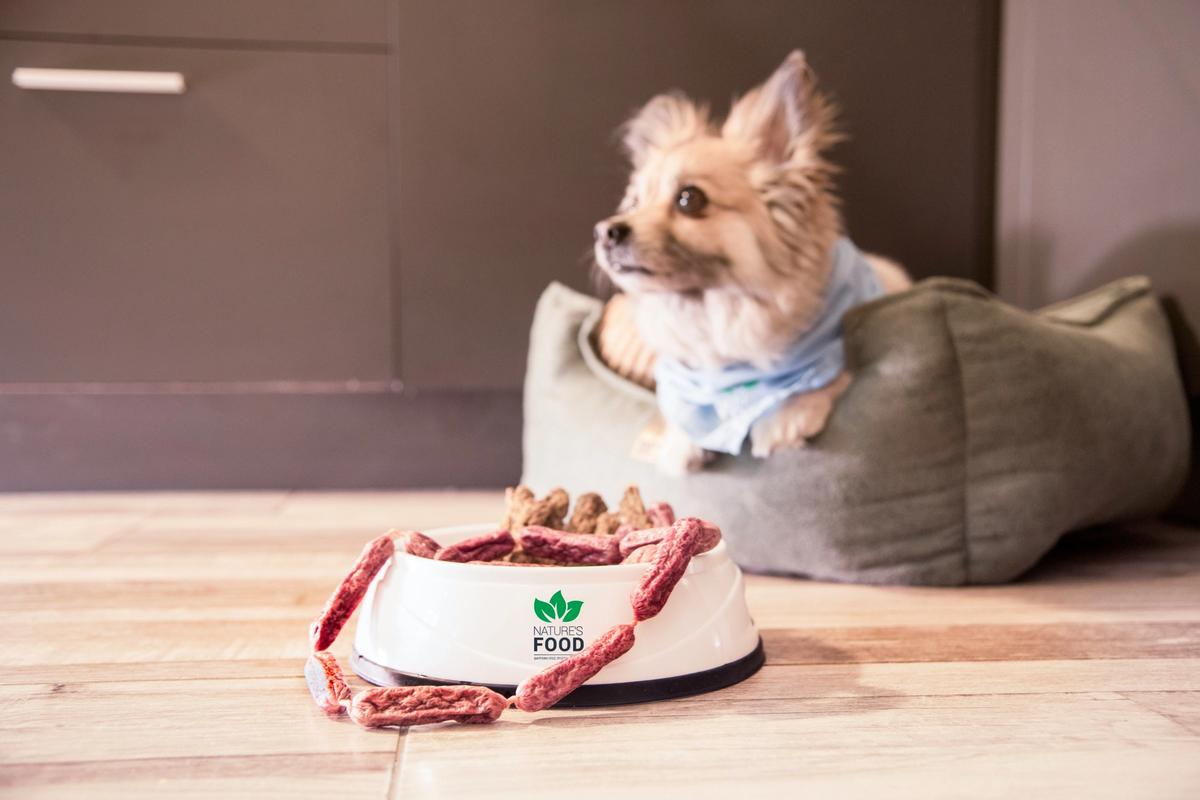
Freeze-drying changed the game. Traditional raw food requires freezer storage and careful handling. Freeze-dried raw rehydrates with water, stores at room temperature, and retains ninety-seven percent of nutrients. That's a massive advantage over kibble, which uses high-temperature extrusion that can denature proteins and destroy heat-sensitive vitamins.
"Freeze-drying operates between negative forty and negative fifty Celsius," said Marcus Liu, who works in product development for a pet food manufacturer in Portland. "The vacuum sublimation process locks in enzymes and vitamins that cooking destroys."
The numbers back him up. According to the American Pet Products Association, thirty-two percent of U.S. pet owners shifted to raw or minimally processed diets for their dogs and cats in 2024. That's nearly one in three households. In Europe, the European Pet Food Industry Federation reported that raw pet food registrations grew twenty-one percent between 2022 and 2024, driven by demand for frozen and freeze-dried meat-based meals.
1,000+ shelters. 34,000 dogs. Find Your Match
North America dominates the market with forty-three percent share, but the format's appeal crosses borders. Jessica Park adopted a Shih Tzu in Seattle and started researching diet options. "Every article I read said kibble was basically fast food," Jessica said. "I wanted something closer to what dogs would eat naturally." She settled on a freeze-dried raw brand that included organ meat, bone, and vegetables.
"The first bag cost sixty dollars," Jessica said. "That's four times what I paid for kibble. But the vet bills dropped. He hasn't had a single stomach issue in eight months."
Small Dogs Drive Growth
Small breed formulations account for fifty-six point eight percent of the market in 2025. That dominance makes sense. Urban households with limited freezer space prefer freeze-dried options, and small dogs require smaller portions. The kibble-plus segment, which includes raw-infused kibble and kibble with raw toppings, represents thirty-five percent of the market by type in 2024. This hybrid approach appeals to owners who want raw benefits without fully abandoning traditional food.
David Nguyen runs a pet supply store in Denver and has watched raw food sales triple since 2023.
"The freeze-dried section used to be one shelf," David said. "Now it's an entire aisle. People want options."
His store carries brands at every price point, from premium single-protein formulas to budget freeze-dried toppers that add raw nutrition to kibble.
The Safety Question
Raw food growth comes with scrutiny. The U.S. Department of Agriculture approved a twenty-seven percent increase in pet meat ingredient applications for raw food manufacturing in 2024, supporting product diversification and food safety compliance. Canada's Food Inspection Agency reported an eighteen percent rise in certified raw pet food ingredient imports in 2024, reflecting tightened quality standards.
But safety concerns persist. Raw food carries higher risk for bacterial contamination, including Salmonella and Listeria. The FDA posted a voluntary recall of Albright's raw dog food in early 2026, triggering broader reassessment of raw food protocols among retailers and veterinarians.
"One recall affects the entire category," said Lisa Chen, a veterinary nutritionist in Boston. "Owners who want less-processed food may switch to gently cooked or freeze-dried options if they perceive fresh raw as too risky."

Cold chain dependency remains a challenge. Frozen raw requires consistent refrigeration from production to purchase, increasing logistics costs and limiting shelf availability. Freeze-dried raw solves storage issues but costs more to produce, driving retail prices higher than traditional kibble.
Rachel Kim switched her Beagle to raw food in San Francisco and now spends ninety dollars per month on freeze-dried meals.
"It's expensive," Rachel said. "But I'm spending less at the vet. His allergies are gone. His energy is up. I'm not going back to kibble."
For her, the premium price delivers measurable value.
The raw food market continues to expand as owners prioritize nutrition transparency and ingredient quality. Freeze-dried formats lead growth, offering convenience without sacrificing the benefits owners associate with raw feeding. As safety standards tighten and more brands enter the space, the category's trajectory points toward sustained double-digit growth through the next decade.