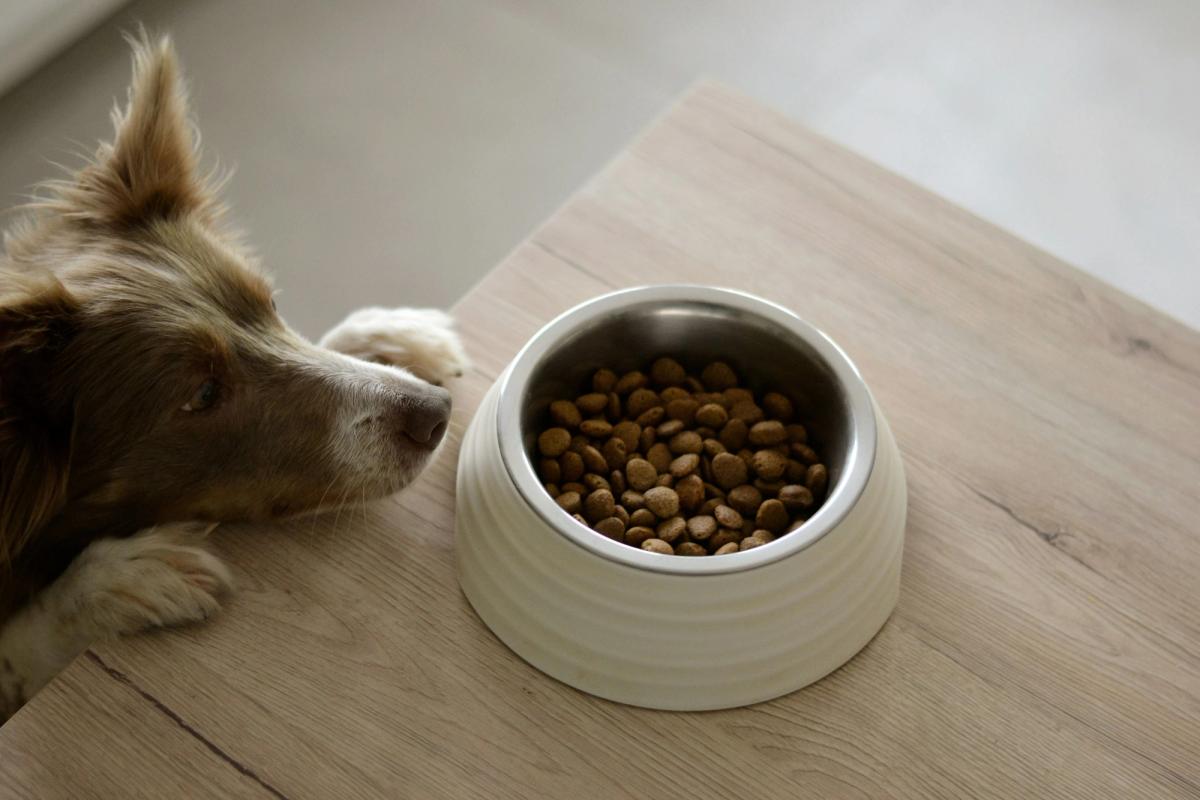

The Food That Seemed Right
When Patricia Wong brought her Labrador Retriever home from a breeder in 2023, the paperwork recommended grain-free kibble. The breeder said it mimicked ancestral canine diets and prevented allergies. Patricia bought premium grain-free food at forty dollars per bag. Her dog's coat looked glossy. His energy was high. Everything seemed perfect until July 2025, when a peer-reviewed study published in the journal Animals challenged everything she thought she knew about her dog's diet.

The study, conducted by researchers across multiple institutions, systematically analyzed commercially available grain-free pet foods and reviewed existing scientific evidence on their health impacts. The conclusion was sobering: grain-free diets may offer some benefits, but they also pose clear risks, particularly a potential association with dilated cardiomyopathy, a serious heart condition in dogs. The study emphasized that the absence of grains does not prevent allergies and that grain-free diets are only useful for dogs specifically sensitive to grains or gluten—a small percentage of the pet population.
Patricia immediately scheduled a veterinary exam. Her veterinarian reviewed the study and recommended switching to a conventional kibble with grains.
"The vet said the grain-free trend was mostly marketing," Patricia said. "I felt stupid paying premium prices for something that might be harming my dog."
The Grain-Free Explosion
Patricia's experience reflects a market phenomenon. Over forty percent of U.S. dog owners have purchased grain-free food at least once. Among owners with dogs exhibiting allergy symptoms, repeat-purchase rates exceed sixty percent. The global grain-free dog food market is growing at fifteen point two percent annually, valued at approximately thirteen point three six billion dollars. Premium grain-free brands command price points thirty to fifty percent higher than conventional kibbles.
The trend began with a grain-free philosophy borrowed from human nutrition. As paleo diets and gluten-free movements gained traction in human food, pet owners applied the same logic to their dogs. If grains were bad for humans, the reasoning went, they must be bad for dogs. Pet food manufacturers capitalized on this belief, marketing grain-free products as natural, ancestral, and hypoallergenic. The marketing worked. Retailers dedicated entire aisles to grain-free options.
James Park adopted a rescue dog in Seattle in 2022 and was immediately told by the rescue organization that grain-free was essential.
"The adoption paperwork practically required it," James said. "Every resource I found said grain-free was superior. I didn't question it."
He paid premium prices for eight years before the July 2025 study made him reconsider.
The Allergy Confusion
The biggest misconception is that grain-free prevents food allergies. It doesn't. True food allergies in dogs are triggered by proteins, not grains. The most common canine food allergens are beef, chicken, wheat, dairy, eggs, and soy. A grain-free diet containing chicken, beef, and dairy will trigger allergies just as readily as conventional kibble with the same proteins.
What grain-free diets might help with is grain sensitivity—a much rarer condition. Some dogs have difficulty digesting wheat, corn, or barley. For those specific dogs, grain-free kibble offers benefit. But for the majority of dogs, eliminating grains provides no advantage and may introduce other risks.
Dr. Sarah Chen works as a veterinary nutritionist in Portland and sees the confusion constantly.
"Owners tell me their dogs have grain allergies," Dr. Chen said. "When I ask what symptoms they're seeing—itching, digestive upset—I investigate the actual allergen. Nine times out of ten, it's the protein source, not the grain. The dog could eat chicken-free conventional kibble and be fine. But owners have already spent hundreds on grain-free alternatives."
Limited-ingredient and monoprotein diets address the real problem. These formulations contain a single novel protein source—venison, duck, rabbit, fish—making it easy to identify which ingredient triggers reactions. They're equally effective for dogs with genuine sensitivities and often cost less than premium grain-free brands. Hydrolyzed protein diets, which break down proteins into components too small to trigger immune responses, represent another evidence-based approach to food sensitivity.
1,000+ shelters. 34,000 dogs. Find Your Match
The Heart Disease Question
The July 2025 study in Animals journal raised alarm about dilated cardiomyopathy, a serious heart condition where the heart enlarges and weakens. Research beginning around 2018 suggested a potential link between grain-free diets and DCM, particularly in certain breeds. The mechanism remains unclear, but theories point to high taurine depletion, legume-based protein sources, or other nutritional imbalances in grain-free formulations.
The FDA never established causation, but the association was enough to concern veterinary cardiologists. Some researchers speculated that the higher protein and fat content in grain-free kibbles—a marketing point—might stress the cardiovascular system in genetically predisposed dogs.
Lisa Nguyen fed her Golden Retriever grain-free kibble for five years before her dog developed early-stage DCM at age seven. A cardiologist suggested dietary factors might have contributed. Lisa switched to a conventional kibble with grains, implemented cardiac medications, and closely monitored her dog's heart function.
300+ breeds. Find Your Match
"I'll never know if the grain-free diet caused his heart disease," Lisa said. "But the vet said switching to conventional food was the right call. That's what matters."
The Premium Price for Perceived Benefits
Grain-free kibble costs significantly more than conventional alternatives. Premium brands charge forty to sixty dollars per bag compared with twenty-five to thirty-five for conventional premium kibbles. Over a dog's lifetime, the premium adds thousands of dollars. For most dogs, there's no measurable health benefit justifying the cost.
The organic and natural pet food segment, which includes but extends beyond grain-free, was valued at sixty-two point eight billion dollars in 2025 and is projected to grow at six point three percent annually through 2035. The segment reflects broader pet humanization trends. Owners increasingly view pets as family members deserving high-quality nutrition. That impulse isn't irrational, but marketing exploits it.
Read Also: Raw Dog Food Market Hit $4.38 Billion. Freeze-Dried Format Dominates Growth
Royal Canin and Hill's Science Diet pioneered breed-specific and condition-specific kibble formulations. These products address real needs: German Shepherds have different nutritional requirements than Chihuahuas, and dogs with kidney disease need different nutrients than healthy dogs. The research backing breed and condition-specific foods is robust. The research backing grain-free diets is not.
What Veterinarians Actually Recommend
The American Veterinary Medical Association and veterinary nutritionists consistently emphasize that nutritional adequacy, balance, and meeting individualized needs are the cornerstones of pet health. For most dogs, conventional kibbles containing grains meet these criteria completely. The expensive grain-free alternative adds cost without adding health benefit.
David Thompson switched his Beagle to grain-free kibble in 2021 because he thought it was healthier. His veterinarian never recommended it. When David mentioned it during an annual exam in 2026, the vet asked why.
David said, "I thought it was better." The vet replied, "For whom? This dog has no grain sensitivity. You're paying more for something his digestive system doesn't need."
That conversation prompted David to research the actual evidence. He found the July 2025 study and decided to switch back to conventional kibble. His Beagle shows no difference. David saves two hundred dollars per year.
The grain-free trend persists despite lacking scientific support for general populations of healthy dogs. Marketing remains effective. Premium positioning still appeals to owners who equate higher prices with higher quality. But as research accumulates and awareness grows, the trend may finally be contracting. The lesson: not every pet food trend reflects nutritional science. Sometimes it just reflects what sells.