

The Scan That Changed Everything
When Marcus Davidson's Border Collie Koda escaped through an open gate in Las Vegas last March, he expected weeks of lost-dog posters and fruitless searches. Instead, a woman found Koda three miles away and took him to a nearby shelter. Within an hour, a microchip scanner revealed a unique identification number. That number connected to Marcus's contact information through a centralized registry.
300+ breeds. Find Your Match
"I got a call before I even realized he was missing," Marcus said. "The shelter scanned him, got my details, and called me. Koda was home by dinner time."
Marcus had implanted the microchip five years earlier for forty dollars at a routine vet visit.
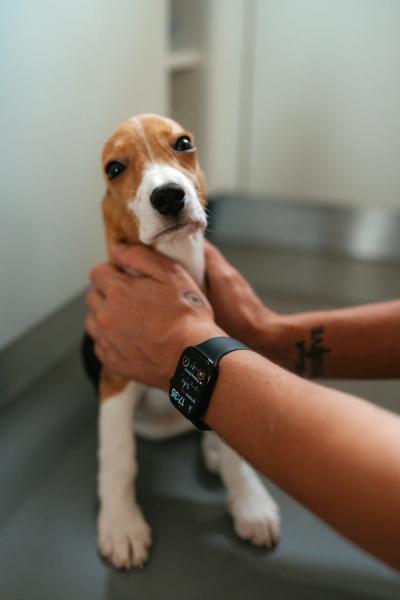
Marcus's experience reflects a global trend. The pet microchip market reached four hundred forty-four point one million dollars in 2025 and is projected to hit nine hundred seventy-two point one million by 2033, growing at ten point six percent annually. The driving force is clear: microchipped dogs are reunited with owners at rates exceeding fifty percent, compared with just twenty percent for non-chipped dogs. For cats, the gap is even starker. Microchipped cats return home thirty-eight percent of the time versus two percent for strays without identification.
The American Veterinary Medical Association reports that microchipped pets are twenty times more likely to be returned to owners than pets without microchips. That statistic is reshaping policy worldwide. In August 2025, Clark County, Nevada became the first U.S. county to mandate microchips for all dogs and cats over four months old. The county allocated one hundred fifty thousand dollars and partnered with animal rescues to distribute ten thousand microchips at five dollars each to residents.
1,000+ shelters. 34,000 dogs. Find Your Match
A Global Movement
Brazil launched an ambitious program called SinPatinhas in April 2025, part of the broader ProPatinhas initiative. The system assigns each dog and cat a lifetime, non-transferable Animal ID linked to centralized microchip registry information. The program aims to prevent pet loss, reduce abandonment, and ensure traceability throughout an animal's life. Coupled with vaccination and castration campaigns, Brazil hopes to normalize microchipping as a cornerstone of responsible pet ownership.
The U.S. Centers for Disease Control took a different approach. Effective August 2024, all dogs entering the United States must have ISO-compliant microchips implanted before rabies vaccination. The requirement strengthens disease tracking and prevents the smuggling of unvaccinated animals. For international dog rescues and imports, microchipping became non-negotiable.
Read Also: Raw Dog Food Market Hit $4.38 Billion. Freeze-Dried Format Dominates Growth
California and New York demonstrated the power of mandatory legislation. Before microchip laws, compliance was inconsistent. After implementation, California and New York achieved compliance rates exceeding ninety percent. California's new laws, effective January 1, 2026, include SB 312, AB 506, and AB 519, which close loopholes allowing breeders to misrepresent the origin of puppies sold in pet stores.
The Summer Pet Loss Crisis
PetPlace launched a "Paws for Safety Awareness" campaign in June 2025, highlighting seasonal spikes in pet loss. Summer months—when families travel, leave doors open, and let dogs off-leash at parks—see the highest rates of pet disappearances. The American Humane Association estimates ten million pets are lost annually in the United States. Without microchips, most are never found.
Jennifer Wong lost her Golden Retriever in San Francisco in August 2024. She posted flyers, contacted shelters, and searched for two months. The dog never came home.
"I kick myself every day," Jennifer said. "A microchip cost forty dollars. My dog was worth infinitely more than that." She now microchips every dog she adopts.
How It Works
The microchip itself is passive. It contains a unique identification number but no battery, no GPS, and no tracking capability. A scanner reads the chip's radio frequency identification tag and displays the number. That number is then cross-referenced with a microchip registry database containing the owner's contact information. The scanner triggers a call to the owner, a reunion is arranged, and the lost pet comes home.
The microchip remains active for approximately twenty-five years, longer than most dogs live. Unlike collars and tags that can be lost, stolen, or removed, a microchip is surgically implanted, usually between the shoulder blades. The procedure takes seconds and requires no general anesthesia. Cost ranges from fifteen to fifty dollars, though ASPCA and other animal welfare organizations offer free or low-cost microchipping clinics.
The critical step most owners overlook is registration. The microchip means nothing without updated contact information in the registry. David Chen adopted a rescue dog in Portland and paid for microchipping but never registered the chip. When the dog went missing six months later, the microchip was useless because no contact information existed in the system. David found his dog by luck after two weeks.
"The microchip was a waste of money because I didn't register it," David said. "Now I tell everyone: microchip and register or don't bother."
Veterinarians recommend scanning microchips during annual checkups to ensure they still function and haven't migrated out of place. For most pets, this simple verification is all that's needed.
The Market Accelerates
Industry growth reflects expanding pet humanization and rising pet expenditures. Pet owners increasingly view their animals as family members deserving the same protections they'd provide themselves. Microchipping represents the most effective, affordable permanent identification available. As regulations tighten and owners become more aware of the statistics, adoption rates continue climbing.
The market expansion also reflects standardization in pet identification globally. International registries now communicate with one another, allowing lost pets traveling across borders to be identified and reunited. Brazil's SinPatinhas program demonstrates how centralized registries can support not just reunification but broader animal welfare and public health goals.