
We've Been Walking Dogs Wrong
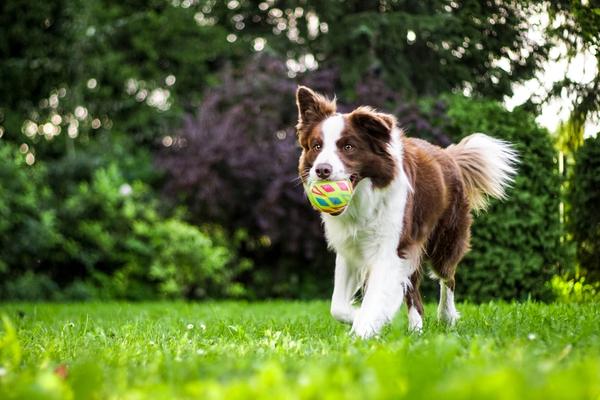
Rachel Kim ran with her Border Collie, Finn, every morning in Chicago. Five miles, six days a week. Finn would sprint for the full hour, return home, and within thirty minutes, start pacing and chewing furniture. Rachel couldn't understand it. "He was getting more exercise than most dogs. But he was still destructive."
A trainer asked Rachel a question that changed everything:
"When does Finn get to use his nose?"
The answer was never. Rachel's runs were fast-paced, designed for human exercise. Finn's brain—the part that needed exhaustion—was barely engaged. The trainer introduced decompression walks, and within two weeks, Finn's destructive behavior dropped by half.
Mental Exhaustion vs. Physical Exercise
Decompression walks are the opposite of traditional exercise walks. The dog sets the pace and chooses the direction. The human follows. The dog sniffs intensely for as long as they want—four minutes on a single blade of grass if that interests them. The walk might cover a quarter mile in twenty minutes. That's the point.
Dr. Sarah Chen, a veterinarian in Portland, explains the science:
"A dog's primary sense is smell. They have around 220 million olfactory receptors compared to our 5 million. When a dog sniffs, they're processing enormous amounts of information. That processing is mentally exhausting in a way physical exercise isn't."
Twenty minutes of intense sniffing can mentally tire a high-energy dog more effectively than an hour of running.
Why Traditional Walks Fail High-Energy Breeds
Marcus Webb adopted a two-year-old Australian Shepherd in Denver and started taking her on long hikes. Two hours in the mountains, twice a week. The dog, Luna, would come home and tear apart the couch. Marcus assumed she needed more exercise. He added a third hike. The destruction got worse. "I was exhausting her body but not her brain."
A behaviorist explained that herding breeds were bred to solve problems and process information. Physical stamina is part of their design, but mental engagement is the core need. Running doesn't satisfy that. Sniffing does. When Luna started getting decompression walks—twenty minutes in a quiet field on a long line, free to sniff—the destruction stopped. "It was like flipping a switch. She'd come home and just sleep."
How to Do a Decompression Walk
Use a long line—15 to 20 feet—instead of a standard leash. Find a quiet area: a park, trail, or empty field. Let the dog lead. If they want to sniff a tree for five minutes, let them. If they backtrack to investigate something, follow them. The walk has no destination and no timeline. The goal is mental engagement, not distance.

Lisa Nguyen from Seattle started decompression walks with her Beagle, Pepper, in early 2026.
"The first time, we went to a park and I just let her go. She spent ten minutes sniffing one spot. I thought, 'This is ridiculous.' But when we got home, she was the calmest I'd ever seen her. She slept for three hours."
Pepper's excessive barking decreased significantly after Lisa added two decompression walks per week.
Why Sniffing Exhausts the Brain
When a dog sniffs, they're gathering data, analyzing it, and building a mental map. They can detect who walked past, how long ago, what the animal ate. That level of processing uses significant cognitive resources. Dr. Chen compares it to a human solving complex puzzles for twenty minutes. "Your body isn't tired, but your brain is. That's what happens to dogs during a good sniff session."
Mental exhaustion lowers arousal levels. A dog who's mentally tired is less reactive, less anxious, and less likely to engage in destructive behavior. Physical exercise, by contrast, can increase arousal. A dog who runs for an hour might be physically tired but mentally amped.
Traditional Walks Serve Human Needs
Most walks are designed around human goals: exercise, completing a route in set time. Dogs are dragged along at human pace, stopped from sniffing because "we need to keep moving." It's efficient for humans. It's frustrating for dogs.
Emily Torres from Los Angeles realized this when she started paying attention to her dog's behavior.
"I was constantly pulling him away from things he wanted to sniff. I thought I was training him. I was actually ignoring what he needed."
When Emily switched to decompression walks twice a week, Scout's leash pulling during regular walks improved. "He was calmer overall. He was getting what he needed."
The Shift From Exercise to Enrichment
The growing popularity of decompression walks reflects a shift in dog care. The old model focused on physical exercise. The new model prioritizes enrichment: engage the dog's brain through sniffing, puzzle toys, scent work. Physical exercise matters, but it's no longer the only solution to behavioral problems.
Decompression walks aren't meant to replace all exercise. Dogs still need physical activity. But the ratio matters. A high-energy dog might need one long walk for physical exercise and two or three decompression walks for mental enrichment. Rachel in Chicago now runs with Finn three days a week and does decompression walks the other four.
"He's a completely different dog. Calmer, happier, less destructive."