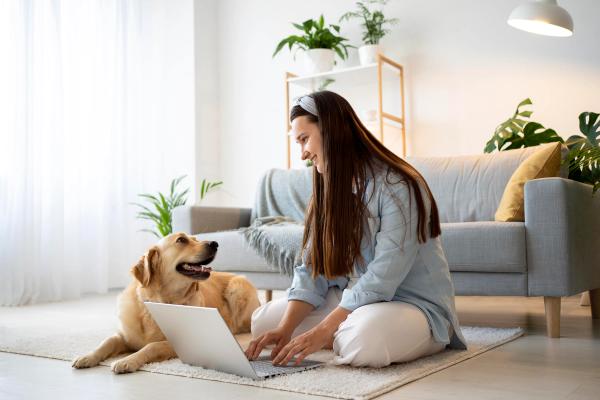
Rachel Kim came home to a disaster. Her two-year-old Australian Shepherd, Finn, had torn through a couch cushion, knocked a plant off the windowsill, and chewed through the corner of her coffee table. Rachel lives in a 700-square-foot apartment in Chicago and walks Finn twice a day, sometimes three times. She'd added an extra evening walk specifically because of the chewing. It made no difference.
300+ breeds. Find Your Match
Her vet said something that stopped her cold:
"Finn isn't tired. Finn is bored. Those are completely different problems."
That distinction is the thing most dog owners in cities never quite grasp. Exercise burns energy. Mental stimulation exhausts the brain. For working breeds and intelligent dogs, the brain is the whole game. A five-mile run can make a Border Collie physically spent while leaving its mind completely wired, still searching for a problem to solve. When there's no problem to solve, dogs invent one. Usually it involves your furniture.
Research backs this up in a concrete way. Studies show that 15 minutes of focused scent work can tire a dog as effectively as a 30-minute walk, because scent processing requires intense cognitive output. Dogs have roughly 220 million olfactory receptors compared to a human's 5 million. When a dog uses its nose seriously, it's running its CPU at full capacity. The body follows. Regular mental enrichment has been shown to reduce destructive behaviors by up to 63 percent and lower cortisol levels measurably. That's not a minor effect.
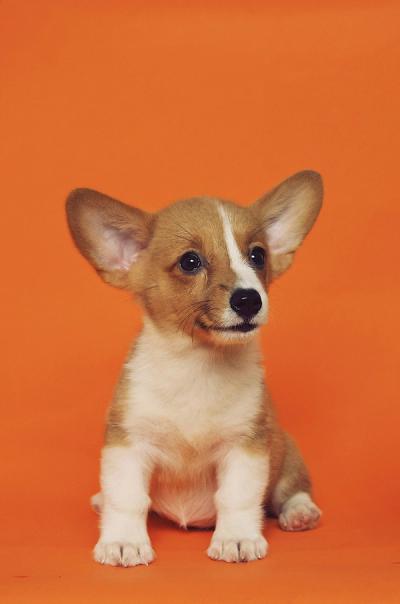
Marcus Webb, a dog trainer in Denver who specializes in working breeds, sees the same pattern constantly. Clients come in frustrated, convinced their high-energy dog needs more mileage. "They're already walking three miles a day and the dog is still eating baseboards," Marcus says. "The issue isn't distance. It's that the dog has nothing to figure out." His first recommendation is always a puzzle feeder and a 10-minute scent game before the morning walk. Within two weeks, most clients report dramatic changes.
The trend has exploded on social media. The hashtag #dogenrichment has accumulated billions of views across TikTok and Instagram, with owners filming structured enrichment routines: snuffle mats at breakfast, hide-and-seek games with treats tucked under cups, nose work sessions in the hallway. What looks like a quirky hobby is actually addressing something real. Urban dog ownership creates a specific kind of deprivation. Dogs in apartments don't have yards to patrol, squirrels to track, or territory to monitor. Their instincts have nowhere to go.
Lisa Nguyen in Seattle noticed her rescue Beagle mix, Pepper, had started pacing obsessively and barking at the walls.
"I thought she needed more exercise. Turned out she needed a job."
Lisa started hiding Pepper's kibble in a muffin tin covered with tennis balls every morning. Fifteen minutes of foraging. The pacing stopped within a week.
This matters especially for breeds that weren't built for couch life: Huskies, German Shepherds, Cattle Dogs, Jack Russells, any mix with herding or hunting instincts. These dogs were bred to work eight hours a day. Two walks and a Kong filled with peanut butter is a starting point, not a solution.
The practical entry points are straightforward. Puzzle feeders replace the regular bowl, making a dog earn its food through problem-solving. Snuffle mats engage the nose during meals. Rotating toys weekly keeps novelty alive. Short training sessions, five to ten minutes, twice a day, build focus and tire the brain faster than most owners expect. None of this requires a backyard or a lot of money.
What it requires is a shift in how owners think about their dog's needs. Physical exercise is visible and measurable. Mental stimulation is quieter and easier to skip. But for a dog spending eight hours alone in a city apartment, the difference between a brain that has been engaged and one that hasn't shows up clearly. Usually on the couch.
Rachel got Finn a puzzle feeder and started doing a 10-minute scent game before their morning walk. She hides treats under cups in the hallway, changes the pattern daily, and lets Finn work it out. The couch is still intact.