
If you’ve always believed that small dogs are best suited for apartments, we might surprise you. A dog’s size is not the deciding factor. In many cases, a calm Great Dane can feel more comfortable in an apartment than a highly energetic Jack Russell Terrier.
In this article, you’ll learn what really matters when choosing a dog breed. So, what should you consider before inviting a four-legged friend into your life?
Temperament and Living Space
Comfort — for both you and your dog — largely depends on the temperament of the animal and the owner. Beyond the size of your home, it’s important to consider the environment you live in. Some breeds adapt better to urban life than others.
City dogs often cope well with noise, crowds, and constant stimulation, while rural breeds — originally developed to work off-leash with livestock or wildlife — may find city life stressful.
Breeds commonly well-suited for apartment living include:
- French Bulldogs: quiet, adaptable, low exercise needs
- Shih Tzus: small, adaptable, low shedding
- Pugs: calm, friendly, enjoy spending time indoors
- Dachshunds: compact, moderate energy levels
How Much Time Do You Actually Spend at Home?
If you work long office hours and spend around 10 hours a day away from home (including commuting), some breeds may not be suitable for you. For example, Cavalier King Charles Spaniels and Italian Greyhounds often form very strong bonds with their owners and can suffer from separation anxiety.
Active breeds need both physical activity and mental stimulation throughout the day. And, of course, all puppies require supervision, frequent toilet breaks, and consistent training.
Exercise time is more than just a quick toilet walk - it includes structured walks, playtime, and mental enrichment.
Take our quiz and find your perfect dog breed 🐶✨
Grooming requirements also matter:
- Labradors need regular brushing
- Afghan Hounds require professional grooming every 6–8 weeks
- Bulldogs need daily facial cleaning to prevent infections
We Are of One Blood, You and I
Dog breeds were developed for specific purposes, and understanding their instincts and needs is key to choosing the right companion.
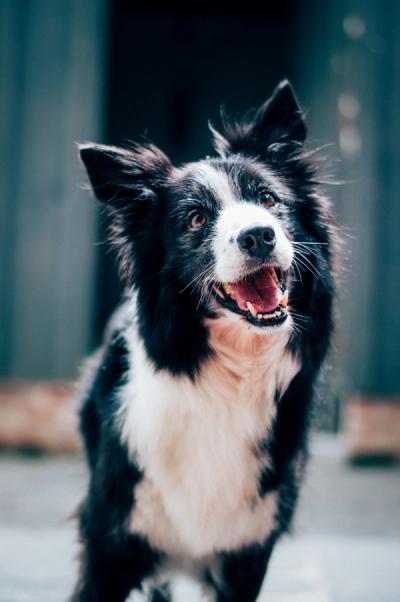
Working and herding breeds (German Shepherds, Border Collies, Australian Cattle Dogs) require tasks and mental challenges. Without sufficient stimulation, they may invent their own “jobs” — often by destroying things at home. These breeds are best suited to active owners.
Sporting breeds (Retrievers, Spaniels, Pointers) were bred to work closely with humans. They are easy to train, make excellent companions, and need regular activity and social interaction.
Hounds (Beagles, Basset Hounds, Bloodhounds) are scent specialists. They may follow an interesting smell and run off. These breeds can be independent and stubborn.
Toy breeds (Chihuahuas, Yorkshire Terriers, Pomeranians) were bred primarily for companionship. They often become very attached to their owners and may struggle when left alone. Despite their small size, many have strong personalities and can be sensitive or irritable.
Guard breeds (Rottweilers, Dobermans) were bred for protection. They require intensive socialisation and training and are not recommended for first-time dog owners without professional guidance.
Which Dogs Can Be Left Alone for Longer Periods?
- Independent breeds: Basenjis, Greyhounds, Bulldogs
- Adult or senior dogs: usually house-trained with a stable temperament
- Low-maintenance breeds: short-haired dogs that require less daily attention
Who Lives in Your Household?
If you have young children, it’s best to avoid very small, fragile breeds that can be injured during rough play, as well as breeds with strong guarding instincts if they haven’t been properly socialised.
Good family choices include calm and patient breeds such as:
- Labrador Retrievers
- Golden Retrievers
- Beagles
For older adults, the ideal dog is calm and does not require intense physical activity. Good options include:
- Pugs
- Shih Tzus
- Cavalier King Charles Spaniels
Large, strong breeds that may pull on the lead should generally be avoided, as they can increase the risk of falls.
Early socialisation and training are essential for any breed.
When searching for your ideal pet, use the filters on k9Cupid to focus on the traits that matter most to you. The site features over 200 dog breeds, and we’ve created curated lists to help first-time dog owners navigate their choice more easily.