Emily Rodriguez opens her fridge every morning around 7:30, and her Golden Retriever, Cooper, materializes at her feet. She pulls out a block of sharp cheddar, cuts a cube roughly the size of a dice, and holds it up. Cooper sits, tail wagging, eyes locked on the cheese. Emily records the exchange, posts it to TikTok with the hashtag #cheesetax, and watches the views roll in. The video hits 50,000 views by lunch.
She's been doing this daily since October 2025. Cooper has gained eight pounds.
300+ breeds. Find Your Match
The "cheese tax" is a TikTok phenomenon where dog owners film themselves handing chunks of cheese to their pets, often while preparing meals or snacks. The term implies that dogs demand payment—in cheese—whenever their owners eat. Videos tagged with the phrase have accumulated over 924 million posts on TikTok. The clips are short, cute, and algorithmically irresistible. They're also, according to veterinarians, contributing to a growing pet obesity crisis.
"People see these videos and think it's harmless," said Dr. Sarah Chen, a veterinarian in Portland who treats overweight dogs weekly. "A little cheese here, a puppuccino there. But they don't realize how many calories they're adding. For a medium-sized dog, one cube of cheese isn't a treat. It's a meal."
Medivet & Partners, a UK-based veterinary group, analyzed the caloric impact of foods featured in viral dog videos. Their findings, released in March 2026, are stark. A single 30-gram cube of cheese—the size commonly shown in "cheese tax" videos—accounts for approximately 13 percent of a dog's daily caloric intake. For context, that's equivalent to an adult human eating two and a half bags of crisps in one sitting.
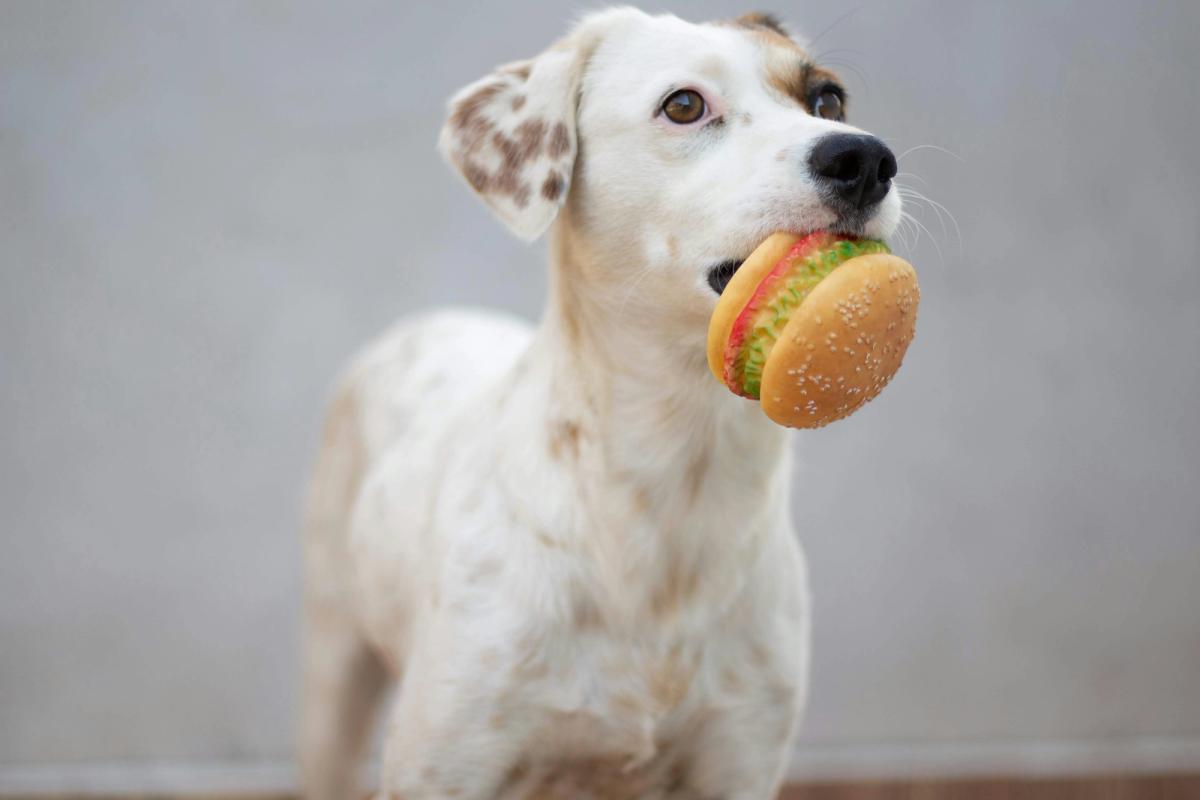
The "cheese tax" isn't the only trend raising alarms. The "puppuccino"—a small cup of whipped cream offered by Starbucks and other coffee chains—has generated over 200 million TikTok posts. Owners film their dogs licking whipped cream from cups, tails wagging, foam covering their snouts. The videos are adorable. The caloric impact is significant. A typical puppuccino contains roughly 120 calories. For a twenty-pound dog, that's nearly 20 percent of their daily caloric needs in a single treat.
Marcus Webb from Denver started giving his Beagle, Scout, a puppuccino every Saturday morning in early 2025. It became a ritual. Scout would hop in the car, they'd hit the drive-through, and Marcus would film Scout's reaction for Instagram. By December, Scout had gained six pounds—a 30 percent increase in body weight. The vet flagged it during Scout's annual checkup. Marcus was stunned. "I thought I was treating him," Marcus said. "I didn't realize I was overfeeding him every single week."
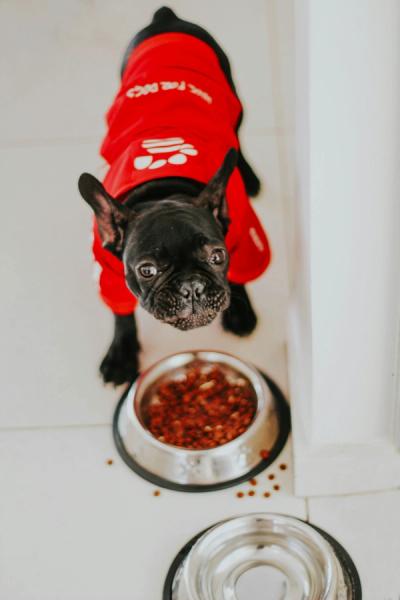
The health consequences of canine obesity are severe. Excessive body fat increases the risk of urinary incontinence, back and ligament problems, breathing difficulties, and cancer. Overweight dogs face higher rates of heart disease and diabetes. Even moderately overweight dogs experience reduced quality of life and shortened life expectancy. Dr. Chen sees the effects daily.
"Owners come in because their dog can't climb stairs anymore or struggles to breathe after a short walk," she said. "When we talk about diet, they mention the cheese, the puppuccinos, the little bits of food they share. They don't connect the treats to the weight gain."
The disconnect isn't surprising. Social media rewards cute moments, not health outcomes. A video of a dog eating cheese gets thousands of likes. A video of a dog losing weight through portion control doesn't go viral. The incentive structure favors entertainment over wellbeing, and dogs pay the price.
Lisa Martinez from Chicago started giving her Border Collie, Milo, a puppuccino after every walk in mid-2025. She'd film Milo's excitement, post it to TikTok, and watch the engagement climb. Milo's videos regularly hit 100,000 views. But by January 2026, Milo's energy had dropped. He struggled to keep up on their usual routes. A vet visit revealed that Milo had gained twelve pounds and was showing early signs of joint stress. Lisa stopped the puppuccinos immediately.
"I felt terrible," she said. "I was doing it for the video. I wasn't thinking about what it was doing to him."
Veterinarians emphasize that treats should account for no more than 10 percent of a dog's daily caloric intake. The rest should come from complete, balanced dog food formulated for the dog's age, breed, and size. Vet-approved treats exist specifically for this purpose - low-calorie options designed to reward without overfeeding. But these don't show up in viral videos. Cheese does. Whipped cream does. And the cycle continues.
Medivet & Partners recommends that owners monitor portion sizes carefully, limit high-calorie human foods, and maintain consistent daily exercise. They also suggest introducing dietary changes gradually and consulting a vet before making major adjustments. The guidance is straightforward. The challenge is convincing owners to prioritize health over viral content.
The issue extends beyond individual dogs. The normalization of overfeeding through social media creates broader problems. When millions of people see daily cheese-feeding videos, it becomes standard behavior. New dog owners assume it's fine because everyone else does it. The cycle reinforces itself, and obesity rates climb.
Emily in Los Angeles finally took Cooper to the vet in February 2026 after noticing he was breathing harder during walks. The vet's diagnosis was clear: Cooper was overweight, and the daily cheese was a major contributor. Emily cut the cheese entirely and switched to low-calorie dog treats. Cooper lost three pounds within six weeks. Emily still posts to TikTok, but now the videos show Cooper's weight loss progress. The engagement is lower. The health outcome is better.
The tension between social media culture and pet health isn't going away. Viral trends will continue to drive behavior, and cute moments will always get more views than responsible pet care. But veterinarians hope that awareness of the consequences might shift the balance. A few seconds of viral content isn't worth years of chronic health problems. The cheese tax has a cost. Dogs are paying it.
Source: Vets warn viral TikTok dog treat trends could risk canine health - Dogs Today Magazine, March 13, 2026