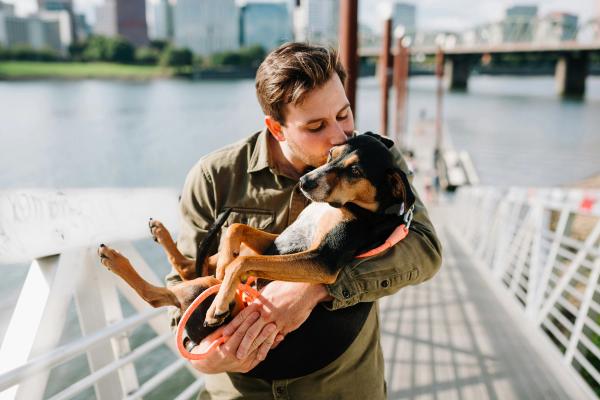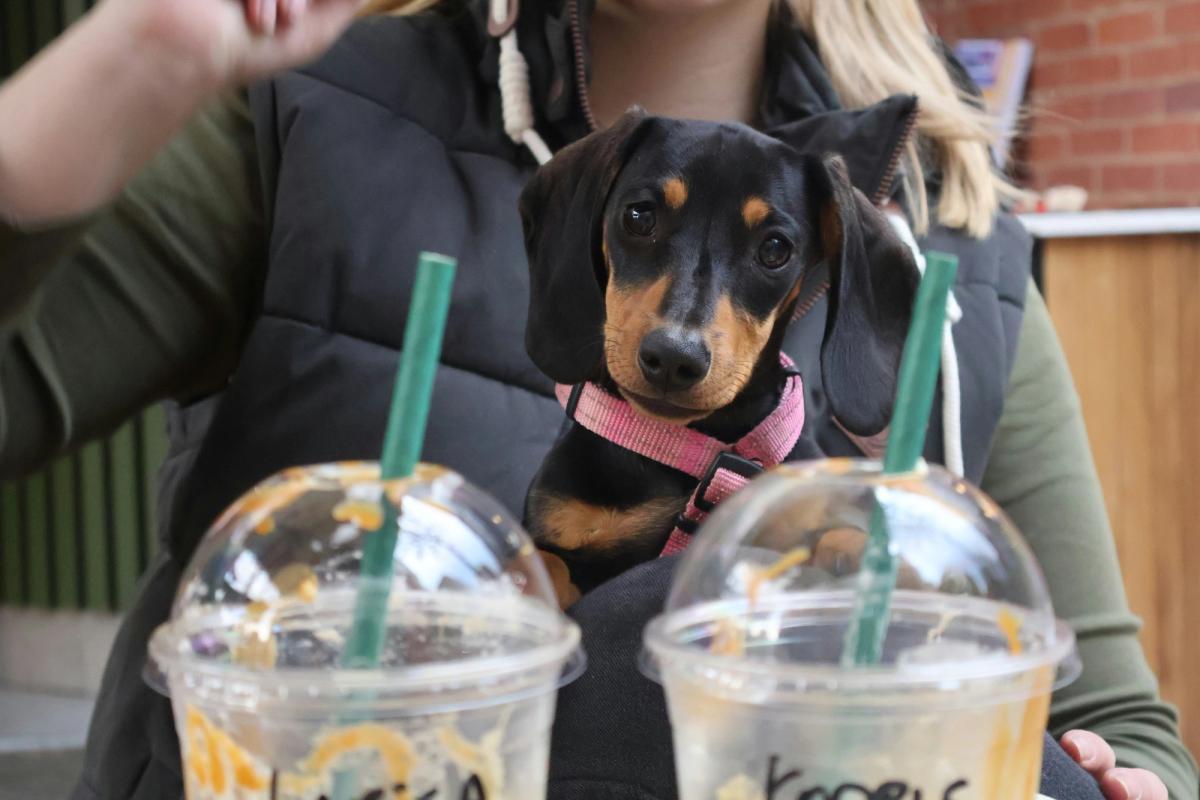
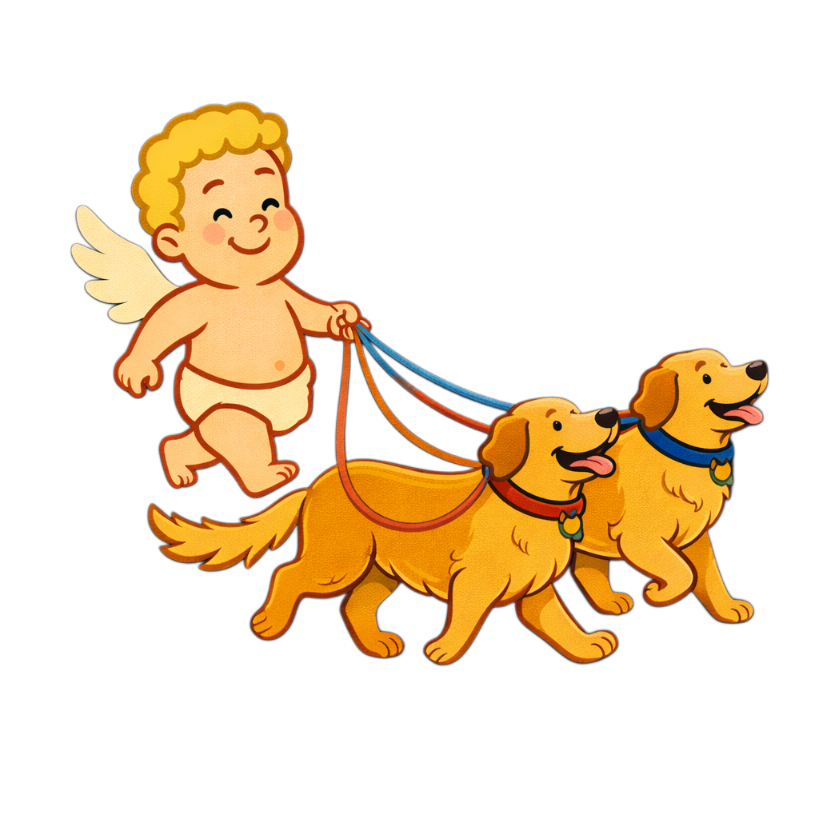
Emily Rodriguez takes the same route every morning. Out the door of her Portland apartment at 7:15, left on Hawthorne, three blocks to the park, loop around twice, then stop at Starbucks on the way home. Her Border Collie mix, Milo, knows the routine so well that he pulls toward the green awning before Emily even signals the turn.
The barista sees them coming and starts preparing before they reach the counter. Emily orders an oat milk latte. Milo gets a Pup Cup—a small cup of whipped cream that Starbucks started offering in 2015. It costs the company pennies. It's bought Emily's loyalty for nearly three years.
300+ breeds. Find Your Match
"I've thought about trying the new place two blocks closer to my apartment," Emily said. "But Milo loses his mind when we pass Starbucks now. He knows he's getting his treat. I'm not dealing with that disappointment every morning."
Emily's not alone, and coffee chains know it. Roughly two-thirds of American households own dogs, and most of those dogs get walked daily. The vast majority of owners take the same route day after day, creating predictable foot traffic patterns that retailers have started mapping like gold mines. A coffee shop positioned on a popular dog walking route doesn't just get occasional business—it gets guaranteed daily visits from customers who will keep coming back as long as the route doesn't change.
And dog owners, it turns out, almost never change their routes.
The math is simple. If a chain can spend almost nothing to ensure a dog owner chooses their location over a competitor, that's a customer locked in for years. The Pup Cup costs Starbucks nearly nothing to produce - just whipped cream in a small sample cup. But the return on investment is staggering. Owners cite it as one of the top reasons they haven't switched to other coffee shops, even when cheaper or closer options exist.
Marcus Chen from Denver started noticing the pattern in 2023 when he opened an independent coffee shop near a popular dog park. For the first six months, foot traffic was unpredictable. Then he started offering dog treats at the counter—nothing fancy, just standard biscuits from a pet supply store. Within weeks, the same faces appeared every morning. Within months, his morning revenue doubled.
"People plan their entire walk around whether their dog gets something at the end," Marcus said. "Once you're on the route, you're in."
Starbucks didn't invent the Pup Cup to compete with other coffee chains. They created it because baristas were already giving dogs whipped cream when owners asked, and the company decided to standardize the offering. But what started as a customer service gesture became one of the most effective loyalty programs in retail—without ever being formally branded as one. There's no Pup Cup rewards card, no app integration, no tiered membership. Just whipped cream, handed over with a smile, cementing a daily habit.
Other chains took notice. Dunkin' started promoting their own version. Local independent shops began advertising dog-friendly policies and offering water bowls, treats, or even puppuccinos using the same basic formula. The race wasn't about coffee anymore - it was about who could claim territory on the neighborhood dog walking map.
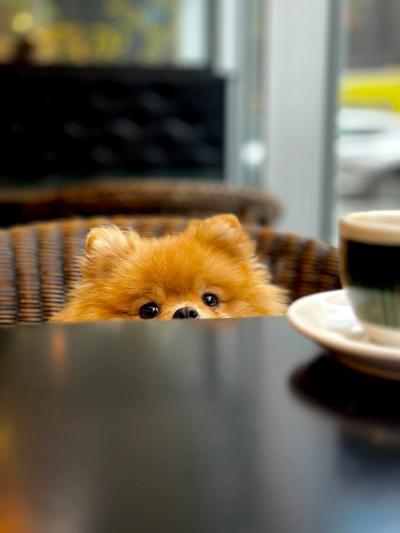
Sarah Kim, who works in urban planning in Seattle, started tracking this phenomenon informally after noticing clustering patterns in commercial foot traffic data. "We can literally see streets where one coffee shop dominates morning traffic, and it almost always corresponds to a high-density dog walking area," she said. "Businesses are starting to ask us about dog park proximity when scouting locations. Ten years ago, that wasn't a question we got."
The strategy isn't new. Pedigree, the dog food brand with over a billion dollars in annual sales, has built entire campaigns around understanding that marketing to the pet often works better than marketing to the owner. But coffee chains took it further by integrating the pet directly into the transaction. It's not an ad. It's not a coupon. It's a physical routine that becomes part of the dog's day, which makes it nearly impossible for the owner to break.
Lisa Morales from Brooklyn tried switching coffee shops in early 2025 to support a new local roaster that opened closer to her apartment. Her Beagle, Scout, refused to cooperate.
"He would plant his feet and pull toward the old place every single morning," she said. "I gave up after two weeks. It wasn't worth the fight."
The new shop lost her business permanently - not because of the coffee, but because Scout had a routine.
This extends beyond just coffee. Pet supply stores, ice cream shops, and even some pharmacies have started positioning themselves on dog walking routes and offering small freebies to pets. The cost is negligible. A small dog treat costs retailers a few cents. A cup of whipped cream costs even less. But the return - a customer who shows up daily, often for years - is worth far more than traditional advertising could ever buy.
The competition has gotten sophisticated enough that some chains are now mapping popular dog parks and running targeted ads in those neighborhoods specifically highlighting their pet-friendly offerings. The message isn't about the coffee. It's about the route. Get on the route, stay on the route.
For Emily in Portland, Milo, and the thousands of other dogs whose morning walks determine which businesses thrive, the system works exactly as designed. Emily's loyalty isn't to Starbucks as a brand. It's to the specific location on Hawthorne that Milo expects to visit every morning. The Pup Cup didn't just win a customer. It claimed a route. And in the battle for daily foot traffic, that's worth far more than any ad campaign could deliver.
Source:
- Top 27 Pet Trends of 2026 - Glimpse, 2026