
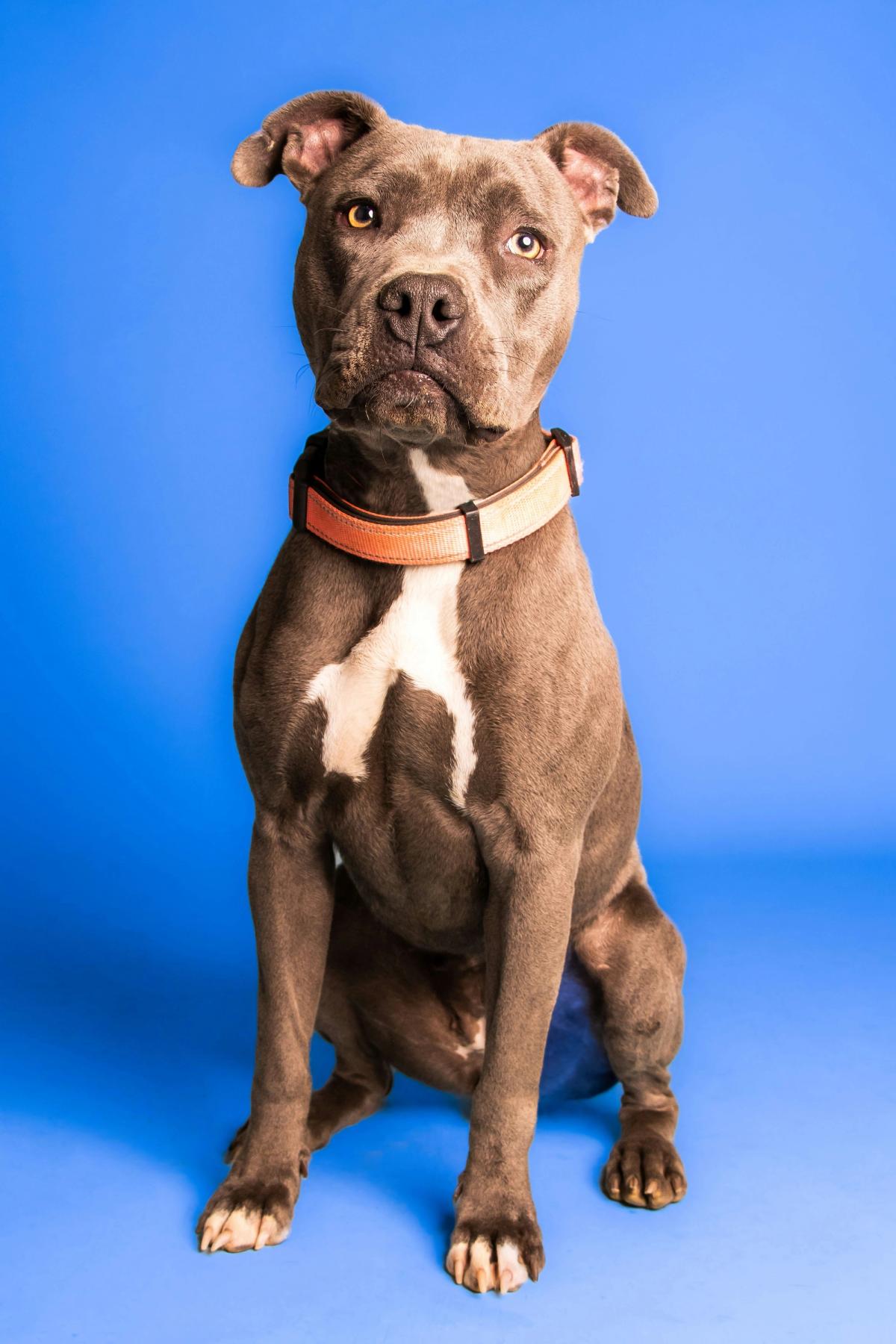
Jennifer Walsh got the letter in October 2025. Her homeowner's insurance company in suburban Philadelphia was canceling her policy. The reason: she owned a Pit Bull mix. Luna was seven years old, had never bitten anyone, and spent most of her time sleeping on the couch. None of that mattered. The insurance company had a banned breeds list, and Luna was on it.
Jennifer scrambled to find coverage. Three companies turned her down when she disclosed Luna's breed. Two quoted her double premiums. She faced a choice: get rid of her dog or potentially lose her house.
300+ breeds. Find Your Match
That scenario became illegal in Pennsylvania when House Bill 1515 took effect in early 2026. The law prohibits insurance companies from refusing coverage, canceling policies, or charging higher premiums based solely on breed - unless the dog has been legally deemed dangerous. Insurers can still ask about bite history and aggressive behavior. What they can't do is maintain blanket breed bans.
Pennsylvania isn't alone. New York, California, and Connecticut have enacted or are advancing similar legislation. The shift represents a fundamental change in how insurance companies assess risk. For decades, the industry relied on breed-specific exclusions. Pit Bulls, Rottweilers, German Shepherds, Dobermans, and sometimes Huskies found themselves blacklisted regardless of individual temperament.
The problem with breed bans, according to Dr. Emily Hart, a veterinary behaviorist in Sacramento, is that they don't predict behavior.
"Aggression is individual, not genetic. A poorly socialized Golden Retriever can be far more dangerous than a well-trained Pit Bull. Insurance companies used breed as a proxy for risk because it was easy, not accurate."
The American Veterinary Medical Association reviewed decades of dog bite research and concluded breed is a poor predictor of aggression. Factors like socialization, training, and owner responsibility matter far more.
Marcus Chen found this out in 2024. He adopted a German Shepherd from a Bay Area rescue and disclosed the adoption to his insurance company. They immediately doubled his premium. When Marcus asked what his dog had done to justify the increase, the answer was nothing. The increase was automatic, based solely on breed. Under California's new legislation, that practice is now prohibited.
But here's the catch: protections only apply to dogs without a dangerous designation. If a dog has been deemed dangerous through a legal process - typically after biting someone - insurance companies can still refuse coverage. Ohio's Avery's Law, effective March 18, 2026, requires owners of dangerous dogs to carry at least $100,000 in liability insurance.
The distinction matters. Pennsylvania's HB 1515 doesn't say insurers can't consider a dog's actual behavior. It says they can't use breed as the deciding factor. If Jennifer's Pit Bull had bitten someone, the insurer could legally adjust rates. But because Luna's only crime was being a Pit Bull, the denial was illegal.
The change is forcing insurers to update processes. Sarah Rodriguez works in underwriting for a mid-sized insurance company.
"We had to completely overhaul our risk assessment. Now we ask: Has the dog ever bitten? Has it shown aggression? Has it completed obedience training? We're evaluating the actual dog, not a checkbox."
Landlords face similar shifts. Several states require landlords in state-funded affordable housing to allow at least one pet, with "pet rent" capped at $35 monthly. The Pet Policy Transparency Act requires landlords to publish pet policies on rental websites before tenants apply.
Buddy's Law, enacted in multiple states, increased maximum compensation for wrongful injury or death of a pet from $10,000 to $25,000.
Jennifer Walsh renewed her insurance in January 2026 under Pennsylvania's new rules at her original rate. Luna still sleeps on the couch. For owners whose dogs have bite histories, the landscape hasn't changed. The system now evaluates individual dogs, not entire breeds - exactly what advocates demanded for years.