
The Job That Pays More Than You Think
When Sarah Martinez quit her retail job in Austin to walk dogs full-time in early 2025, her friends thought she was making a mistake.
"Everyone assumed I'd be broke," Sarah said. "But I made $52,000 last year walking dogs. That's more than I made managing a store."
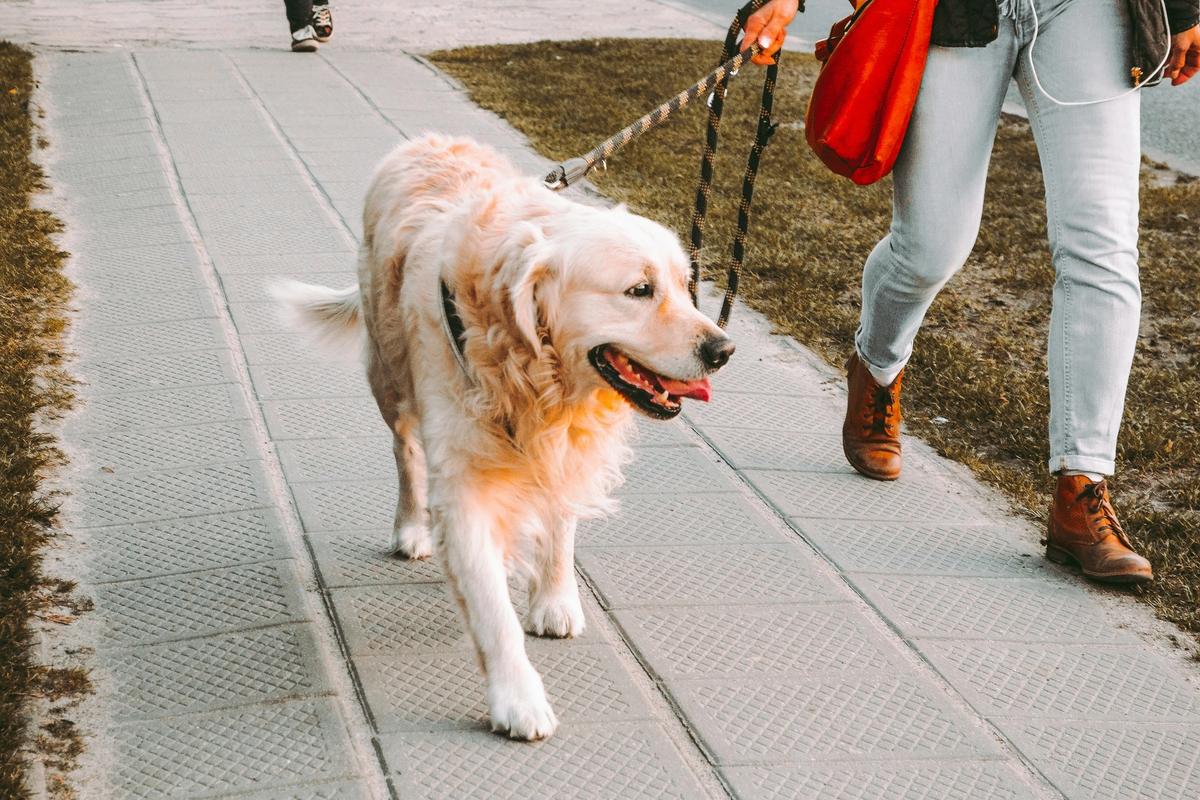
Sarah works six-hour days, five days a week, charging $30 per 30-minute walk. She averages eight walks per day through Rover and repeat clients. After Rover's 20 percent commission, Sarah takes home about $192 daily, or $960 per week.
300+ breeds. Find Your Match
Sarah represents a demographic shift in the dog walking industry. The U.S. dog walking services market reached $1.3 billion in 2026, with 35,349 businesses operating nationwide, according to IBISWorld. The industry has grown at 6.8 percent annually from 2020 to 2025, driven by pet owners returning to offices after the pandemic. Dog walking bookings in New York City alone spiked 25 percent between July and September 2024 as professionals resumed in-person work schedules.

What Gig Workers Actually Earn
National average hourly wages for dog walkers hit $43.10 in 2026, with significant regional variation. Texas dog walkers earn $43.35 per hour, while California and Massachusetts exceed $50 per hour in major metropolitan areas. South Dakota sits at the low end at $39.46 per hour due to lower population density and fewer urban centers. States with high pet ownership and busy professionals—California, Massachusetts, New York—offer the highest earnings potential.
Marcus Chen from Seattle uses Wag to book clients and earns $48 per hour before commission. Wag takes a 40 percent cut, leaving Marcus with roughly $28.80 per walk.
"Wag's commission is brutal," Marcus said. "But they provide insurance and a steady stream of clients. I couldn't build that on my own."
Rover's 20 percent commission is more competitive, but walkers report fewer bookings compared to Wag's larger user base.
The Return-to-Office Boom
The surge in demand is directly tied to lifestyle changes post-pandemic. Pet owners who adopted dogs during lockdown now need care solutions. Jennifer Torres from Denver adopted a Labrador in 2021 when she worked from home. In 2024, her company mandated three in-office days per week. "I tried leaving him alone," Jennifer said. "He destroyed the couch in four hours. Now a walker comes every day at noon. It costs $600 a month, but it's non-negotiable."
1,000+ shelters. 34,000 dogs. Find Your Match
That pattern is replicated across millions of households. According to Pet Sitters International, professional dog walkers and pet sitters averaged $100,537 in gross revenue in 2023, up from $94,563 in 2022. The average age of a pet sitter is 54, with most starting their businesses at age 44. Ninety-nine percent of pet sitting businesses are independently owned, not franchises, indicating a highly fragmented market dominated by solo operators and small teams.
What the Job Actually Involves
Dog walking is classified as pet sitting because walkers provide care beyond exercise. Eighty-three percent of all pet sitting jobs involve dogs. Services include 30-minute walks averaging $25, feeding, administering medication, and companionship. Lisa Nguyen from Boston runs a dog walking business with two employees.
"People think it's just walking," Lisa said. "But we're feeding dogs, giving pills, cleaning up accidents, and providing updates to anxious owners. It's caregiving."
The physical demands are real. Walkers cover miles daily, often in extreme weather. Rachel Kim from Phoenix walks dogs during 110-degree summers. "I carry water for me and the dogs," Rachel said. "Some days I walk 12 miles. It's harder than it looks." The emotional labor is also significant—managing anxious dogs, dealing with aggressive animals, and reassuring worried owners requires skill.
Read Also: Dog Daycare Just Hit $5 Billion. Gen Z Owners Demand Real-Time Video Feeds
The Global Context
The U.S. represents 41.72 percent of the global pet sitting market, which totals $2.4 billion. North America's dominance reflects high pet ownership rates, disposable income, and cultural acceptance of paid pet services. Europe and Asia are growing markets, but the U.S. remains the largest by a significant margin. The return to office work, combined with high pet ownership and busy professional lifestyles, ensures continued demand for dog walking services.
Sarah Martinez, who now earns more walking dogs than she did in retail, has no plans to return to traditional employment.
"I set my own hours, work outside, and spend my day with dogs," Sarah said. "The pay is better than people think, and I'm happier than I've ever been."