
The Dog That Disappeared at 3 AM
When Lisa Martinez's Beagle slipped through the fence in her Phoenix backyard at 3 a.m. in February 2026, she didn't panic. She opened her phone, checked the GPS tracker on Buddy's collar, and saw he was three blocks away moving south. Lisa drove to the location and found him sniffing around a trash can fifteen minutes later.
"Without the tracker, I would have spent hours searching," Lisa said.
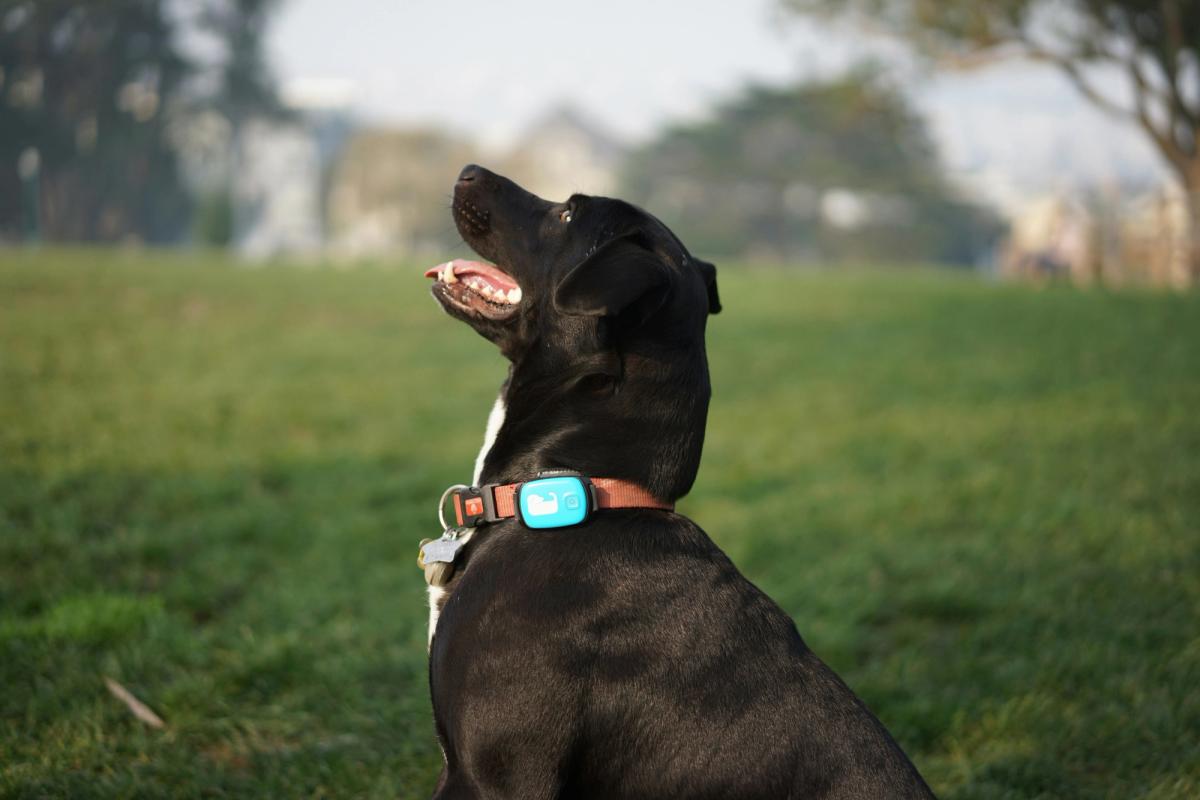
Lisa's collar uses multi-satellite positioning, AI-assisted signal correction, and geofencing that sends alerts when a dog crosses a virtual boundary. The global pet wearable market reached $3.56 billion in 2026, up from $3.14 billion in 2025, and is projected to hit $6.65 billion by 2031. Smart collars account for 63.55 percent of that revenue, combining GPS tracking, activity monitoring, and health metrics in a single device.
What Changed in One Year
At CES 2026 in January, SATELLAI launched the Collar Go smart dog collar with live GPS tracking, activity and health monitoring, adjustable virtual boundaries, and mobile alerts. The collar uses AI to analyze movement patterns and detect anomalies. Battery life has improved from days to weeks. Global GPS coverage works whether a dog is in downtown Manhattan or rural Montana.
In March 2026, Fibocom launched the MQ771-GL LPWA cellular module designed for smart pet collars, delivering long battery life and global Cat.M/NB-IoT connectivity. These advances solve problems that plagued earlier GPS collars—dead batteries, lost signals, limited range. Marcus Chen from Seattle bought a tracker in 2023 that lost signal in dense forests.
"The new ones work everywhere," Marcus said.
More Than Just Location
Dogs represent 59.12 percent of the pet wearable market, projected to grow at 14.42 percent annually through 2031. Identification and tracking account for 50.25 percent of usage, but medical diagnosis and treatment features are advancing at 15.05 percent annually.
In June 2025, Tractive partnered with Mammaly to measure health impacts of dietary supplements using vital signs data from GPS collars. The collars track heart rate, respiratory rate, and activity levels. Veterinarians can review the data during consultations. Sarah Kim from Denver used her dog's activity data to identify early arthritis. "The collar showed his walking distance dropping over two months," Sarah said. "The vet diagnosed arthritis before he was visibly limping."
Why North America Leads
North America dominates at $3.9 billion in 2025, projected to reach $11.7 billion by 2035, growing at 10.6 percent annually. The region's high pet ownership, disposable income, and technology adoption create ideal conditions. Americans integrate GPS devices with mobile apps, fitness tracking, and smart home systems. Suburban growth and off-leash spaces increase demand for real-time tracking.
Jennifer Torres from Austin has three dogs and uses a multi-pet tracker.
"I can see where each dog is in the yard or during off-leash hikes," Jennifer said. "The geofencing alerts me if one wanders too far."
1,000+ shelters. 34,000 dogs. Find Your Match
The Insurance Connection
Some pet insurance companies offer discounts for owners who use GPS trackers. The data helps insurers assess risk and detect health issues early. Retailers like Chewy, Amazon, and PetSmart are making trackers easier to buy. Rachel Nguyen from Boston adopted a rescue dog with escape history.
"The shelter wanted proof I had tracking before they'd finalize the adoption," Rachel said. "It's becoming standard for flight-risk dogs."
What Happens Next
Devices that once cost $200 with $15 monthly subscriptions are now under $100 with cheaper or no fees. Battery life that lasted three days now extends to three weeks. Signal accuracy that failed in buildings now works indoors. With medical features growing at 15.05 percent annually, future collars will detect health problems before symptoms appear. Lisa Martinez's collar already monitors heart rate and sends alerts if irregular. "I'm not worried about him getting lost anymore," Lisa said.
"Now I'm watching for health issues the collar might catch before I do."