
The Morning the Diagnosis Finally Made Sense
Carol Hess had been watching her husband David lose himself for almost three years before anyone put a name to it. The slight shuffle in his walk. The way his handwriting shrank to almost nothing. The mornings when his face simply stopped moving. Neurologists in Phoenix, Arizona ran tests, ordered scans, and came back with words like "probable" and "consistent with" — but never a definitive answer. Parkinson's disease, it turns out, is one of the most difficult conditions in modern medicine to diagnose. There is currently no single reliable early test for the disease, and symptoms may begin silently up to twenty years before they become persistent enough for a confirmed diagnosis. That is exactly what makes a study published on July 15, 2025 so remarkable.
Ready to give a dog a home? Browse adoptable pups at Shelters near you.
The Dogs Who Outperformed the Lab
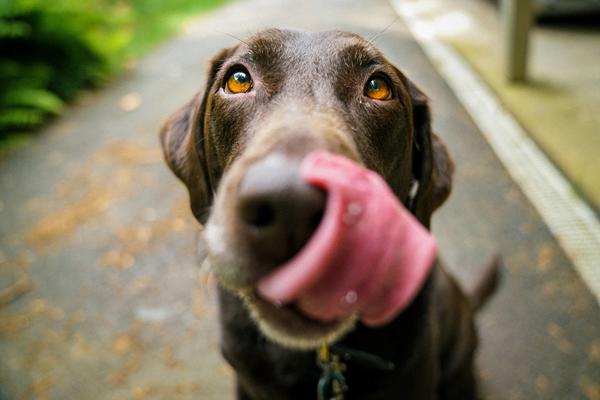
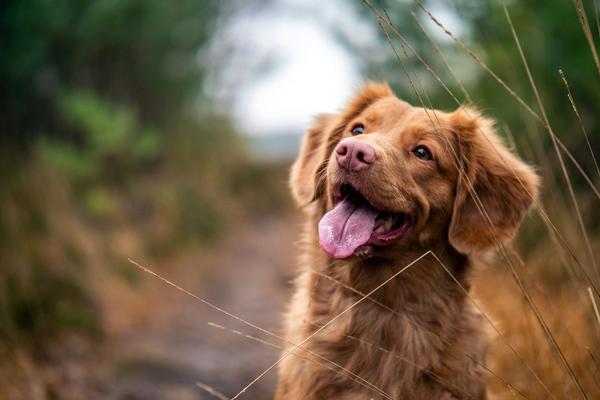
Researchers at the University of Bristol, working alongside Medical Detection Dogs and the Universities of Manchester and Edinburgh, trained two dogs to do something no blood panel or imaging scan can reliably do: smell Parkinson's disease directly from a person's skin. The two dogs — Bumper, a Golden Retriever, and Peanut, a Black Labrador — were trained by the charity Medical Detection Dogs to distinguish between sebum swabs from people with and without Parkinson's disease.
Read also: Chronic Kidney Disease Affects 1 in 4 Senior Dogs. New Vitamin D Treatment Shows Promise

The training lasted between 38 and 53 weeks. The dogs worked through over 200 odor samples from individuals who had tested positive for Parkinson's, alongside control samples from people without the disease. Then came the real test.
In a double-blind trial, in which only a computer knew which samples came from Parkinson's patients, the dogs showed sensitivity of up to 80% and specificity of up to 98%. They even detected the disease in samples from patients who also had other health conditions. To put those numbers in context: most of the diagnostic tools currently used in neurology clinics don't perform at that level for early-stage Parkinson's.
Want more tips and stories like this? Dig into our Blog for the latest on all things dogs.
Why Smell Works
The science behind the dogs' ability is more grounded than it might first appear. Parkinson's patients produce elevated levels of sebum — a natural skin oil — and that excess sebum carries a distinct chemical signature. Bumper and Peanut weren't performing a trick. They were reading a real biological marker, one that appears long before symptoms do.
Lead researcher Nicola Rooney, Associate Professor at Bristol Veterinary School, said the dogs achieved high sensitivity and specificity and showed there is an olfactory signature distinct to patients with the disease. She believes dogs could help develop a quick, non-invasive and cost-effective method to identify patients with Parkinson's.
Claire Guest, CEO of Medical Detection Dogs, put it plainly:
"Timely diagnosis is key as subsequent treatment could slow down the progression of the disease and reduce the intensity of symptoms."
Read also: Training Reduces Dog Bites by 85%. But 77% Still Happen at Home with Your Own Dog
The Scale of the Problem
The urgency behind this research is hard to overstate. Parkinson's disease affects more than 1.1 million people in the U.S., with nearly 90,000 people newly diagnosed each year — a figure representing a 50% increase from previous estimates. The combined direct and indirect costs of the disease, including treatment, social security payments and lost income, reached $82.2 billion in 2024. And a study published in The BMJ in March 2025 projects the number of Parkinson's cases worldwide will grow to more than 25 million by 2050 — a 112% increase from 2021, driven primarily by an aging global population.
For families like the Hess household in Phoenix, early detection isn't an abstract research goal. It's the difference between accessing treatment while the brain can still respond and beginning it years too late.
Curious who's behind the matchmaking? Get to know our story on About Us.
What Comes Next
Researchers are not proposing that dogs become a fixture in neurology clinics — though the image isn't entirely implausible. The longer-term goal is to identify the specific chemical compounds Bumper and Peanut are detecting, and then replicate that detection capability in an electronic device. A "digital nose," trained on the same biological signature, could eventually become a low-cost screening tool accessible at a primary care level.
For now, two dogs in Bristol have done something quiet and extraordinary: they have given science a new direction in one of its oldest unsolved problems. And somewhere in Phoenix, David Hess's family knows that understanding what's happening in the body — years before a tremor begins — is not science fiction. It is a Golden Retriever and a Black Lab, working through a rack of skin swabs, and getting it right.