The Warning Came Too Late
When Sarah Chen from Hartford, Connecticut, filed a complaint with the Connecticut Department of Agriculture in December 2025, her three-year-old Border Collie, Milo, had already been sick for a week. Milo had been eating Raaw Energy dog food—a raw diet Sarah ordered online and picked up in person. The symptoms started with vomiting and diarrhea, then progressed to lethargy and refusal to eat. Sarah's vet ran tests and found Salmonella. The vet asked what Milo had been eating. Sarah showed him the Raaw Energy packaging. The vet said he'd seen two other cases that month with the same food.
300+ breeds. Find Your Match
Sarah's complaint triggered testing by both the Connecticut and New Jersey Departments of Agriculture. They collected eight unopened samples of Raaw Energy dog food and sent them to labs. The results came back in January 2026: all eight samples tested positive for at least one pathogenic bacteria. Some contained multiple pathogens—Listeria monocytogenes, Salmonella, E. coli O157, and Campylobacter jejuni. The FDA reviewed the data and requested that Raaw Energy issue a voluntary recall. The company refused.
When "Voluntary" Means Optional
The FDA's power to force recalls is limited. Unless there's evidence of imminent danger to public health, the agency can only request that a company voluntarily recall contaminated products. Raaw Energy chose not to comply. On January 23, 2026, the FDA issued a public advisory:
"Do Not Feed Eight Lots of Raaw Energy Dog Food Due to Contamination with Harmful Bacteria."
But the food remained available for purchase. Customers who ordered online could still pick it up in person.
Read Also: 7 Out of 10 Gen Z Adults Would Rather Have Pets Than Kids. The Housing Market Is Making Sure of It
Marcus Torres from Newark, New Jersey, didn't see the FDA warning until after he'd already fed his German Shepherd two meals from a newly purchased bag. "I check my email, not the FDA website," Marcus said. "By the time I found out, my dog had been eating contaminated food for three days." Marcus's dog developed diarrhea but recovered after switching foods. Not all dogs were that lucky. The pathogens found in Raaw Energy food can cause severe illness in dogs and can spread to humans through handling contaminated food or contact with sick pets.
Dr. Emily Rodriguez, a veterinarian in Boston, said the refusal to recall is part of a broader problem. "Companies know that voluntary recalls damage their reputation and cost money," she said. "Some calculate that it's cheaper to refuse and deal with the fallout than to pull products from the market. The FDA can't force them unless there's proof of widespread harm." The regulatory gap leaves consumers responsible for monitoring FDA alerts themselves—a system that fails when people don't know to check.
Raw Food's Recurring Contamination Problem
Raaw Energy isn't an isolated case. Raw dog food brands have a history of contamination issues. Darwin's Natural Pet Products has faced multiple recalls since 2019 for Salmonella and Listeria contamination. In February 2025, two lots of Darwin's food tested positive for both Salmonella and Listeria. In July 2025, additional lots tested positive for E. coli O157:H7. Viva Raw recalled products in late 2025 for Salmonella and Listeria contamination. The pattern is consistent: raw food, bacterial contamination, voluntary recall—or in Raaw Energy's case, refusal to recall.
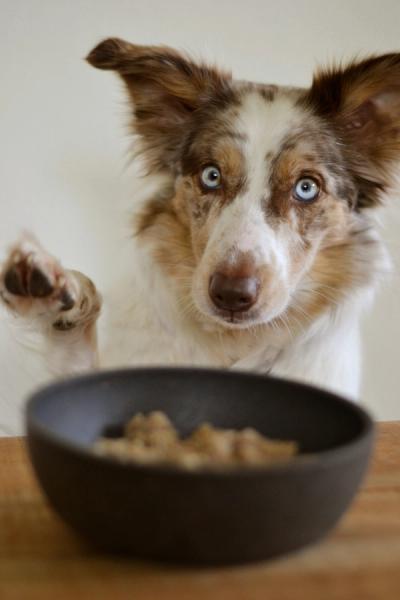
Lisa Martinez from Austin, Texas, switched her Beagle to raw food in 2024 after reading about the health benefits.
"I thought I was doing the right thing," she said. "Then I started seeing recall after recall. I didn't know if the food in my freezer was safe."
Lisa eventually switched back to cooked kibble. The decision cost her money, but it gave her peace of mind. The raw food contamination problem isn't just about dogs getting sick. It's about human health too. Handling contaminated raw food can spread bacteria to kitchen surfaces, bowls, and hands. Children and elderly family members are especially vulnerable.
The Trust Crisis and Clean Label Response
The pet food industry is facing a trust crisis. In 2024, 37 percent of pet owners went into debt due to unexpected vet bills, according to industry research. Nearly seven in ten of those cases stemmed from medical emergencies. When the food itself is making dogs sick, the financial and emotional toll compounds. Jennifer Kim from Chicago stopped trusting brand names after her Golden Retriever got sick from contaminated treats in 2025. "I read every ingredient label now," she said. "I check the FDA recall list weekly. I can't just assume the food is safe anymore."

The backlash is driving a "clean label" movement in pet food. Companies that use transparent sourcing, third-party testing, and human-grade facilities are gaining market share. Freeze-dried and high-pressure processed foods—which kill pathogens without high heat—are growing in popularity as safer alternatives to raw diets. But these options cost more, putting them out of reach for many owners already struggling with pet care expenses.
The fundamental problem remains: companies can refuse recalls, and consumers bear the risk. Until the FDA gains authority to mandate recalls for contaminated pet food—or until companies prioritize safety over profits—cases like Raaw Energy will continue. Sarah Chen's dog recovered, but she's left with a $1,200 vet bill and a freezer full of food she's afraid to use.
"I reported it, they tested it, they found four different bacteria," she said. "And the company still won't recall it. How is that legal?"