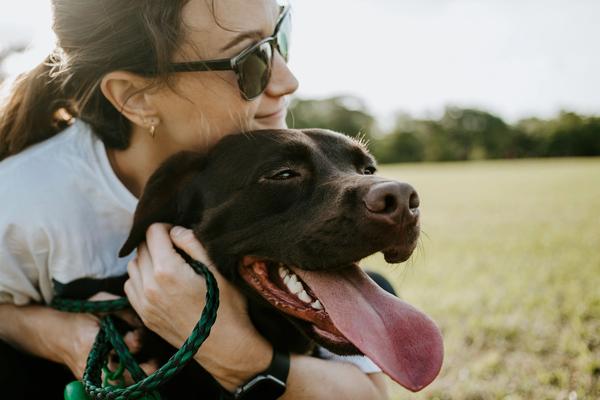

Rachel Torres sat in her car outside the emergency vet in Seattle, staring at the estimate. $4,200 for surgery to remove a sock her Labrador mix had swallowed. She had $1,800 in savings. Her credit cards were already carrying balances from last month's dental cleaning—$580 for her dog, not her own teeth.
Rachel adopted Benny in 2019 when her annual budget was around $1,500. Food, regular vet visits, toys. Manageable. In 2026, she's spending close to $4,000 annually before anything goes wrong. And things keep going wrong.
300+ breeds. Find Your Match
A Rover report from February 2025 found dog ownership costs jumped 130 percent since 2020. What used to cost $650-$2,295 annually now runs $1,390-$5,295, depending on size, age, and health. Seventy-three percent of owners worry about rising costs. Forty-three percent are anxious about lifetime expenses.
Routine vet visits that averaged $210 in 2020 now range from $75-$730. Dental cleanings went from $60-$80 to $430-$600. Flea prevention doubled from $40-$200 to $120-$420. Even poop bags got expensive - $35-$60 in 2020, now $85-$145.
But statistics don't capture what it feels like choosing between your dog's health and rent. Michael Nguyen in Austin faced that last fall. His eight-year-old Beagle developed a limp. X-rays, bloodwork, and medication cost $890. The vet suggested follow-up imaging if the limp didn't improve. Michael skipped it. He couldn't afford another $400. The limp went away on its own, but he still wonders if he made the right call.

Julie Castle, CEO of Best Friends Animal Society, says inflation drove costs up across the board, but veterinary care got hit especially hard. Geography matters too. California leads the nation with annual costs exceeding $6,000 when factoring in $2,950 for dog-walking services, $339 for vet care, and $343 for grooming. Montana is cheapest, with dog food averaging $487 annually and dog-walking at $1,440.
Emily Chen moved from Portland to rural Montana in 2023 with two Australian Shepherds. Her vet bills dropped by half, but now she drives ninety minutes each way for routine care. One clinic within reasonable distance. The financial trade-off worked but created new logistical problems.
What's pushing families to the breaking point isn't predictable expenses - it's emergencies. A torn ACL costs $3,000-$5,000 for surgery. Pancreatitis requiring hospitalization runs $2,000-$4,000. Chemotherapy starts at $3,000 and climbs fast. Pet insurance exists but averages $516 annually and doesn't cover pre-existing conditions. Many owners don't buy it until something goes wrong. By then it's too late.
The financial pressure shows in shelter statistics. Sarah Martinez, an intake coordinator at a Los Angeles shelter, sees more families surrendering healthy dogs they can't afford.
"It's not neglect. It's people choosing between their mortgage and their dog."
The Rover report found something revealing: dog owners cut other spending before dog spending. Seventy-one percent are more likely to reduce entertainment, travel, or dining out than compromise on their dog's food or healthcare. Dogs moved from discretionary expense to non-negotiable dependent.
That shift creates a painful bind. People who love their dogs deeply still have finite money. Rachel borrowed from her parents to pay for Benny's surgery. He's fine now. But she's budgeting differently. No spontaneous weekend trips. No new clothes this year. Gym membership canceled. Benny's premium food subscription stayed.
The question facing prospective owners in 2026 isn't just "do I want a dog?" It's "can I afford a dog long-term, including worst-case scenarios?" For families already struggling with rent, groceries, and healthcare, the honest answer is increasingly no.